
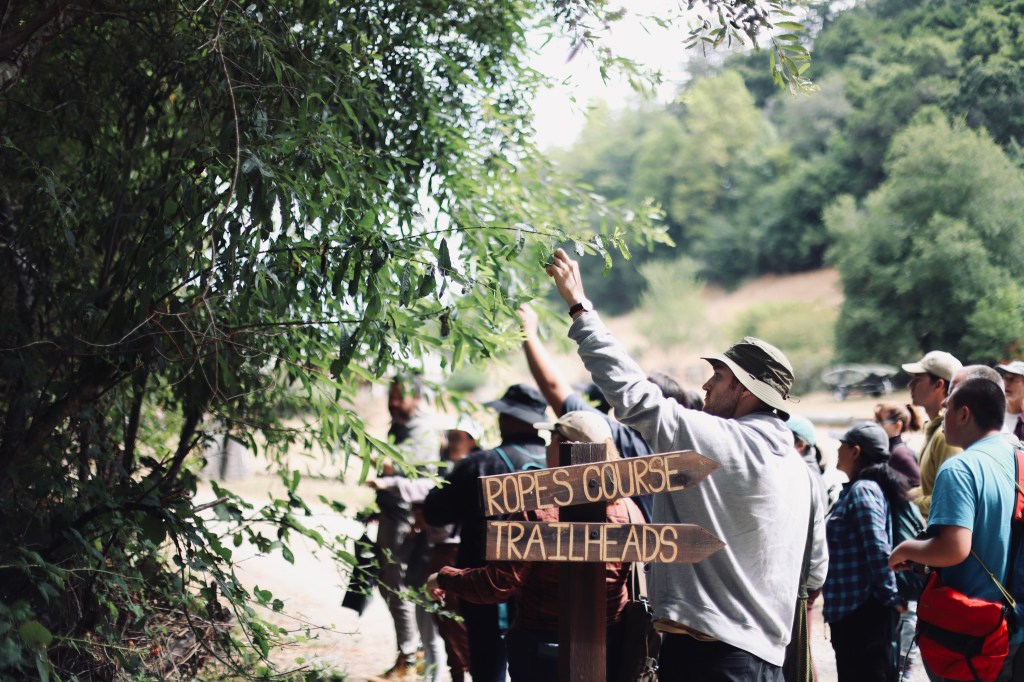
Earlier this year, I got really into the Uncharted series hosted by Gordon Ramsay. He would go all over the world, learning about the cuisines of the cultures and people groups he was visiting, and then have a cook-off with a local chef. One thing that I thought was really cool in the show was how Ramsay would go into wilderness areas with guides to forage herbs, mushrooms, vegetables, and the like. I was pleasantly surprised to discover a whole organization in the Bay Area that has foraging excursions, so I signed my boyfriend and I up for one this past weekend to forage wild and medicinal plants. Granted, no one in the group really ended up foraging much. I got to eat wild blackberry and some flowers. However, our guide was incredibly knowledgeable about the land, its history, indigenous people groups’ ties to the land, plant behavior, plant activity, etc… she was literally a walking encyclopedia, and her passion for nature and the earth was quite inspiring. This post is me documenting as much as I can remember through the photos I took that day (also this was the first time I took out my new camera).
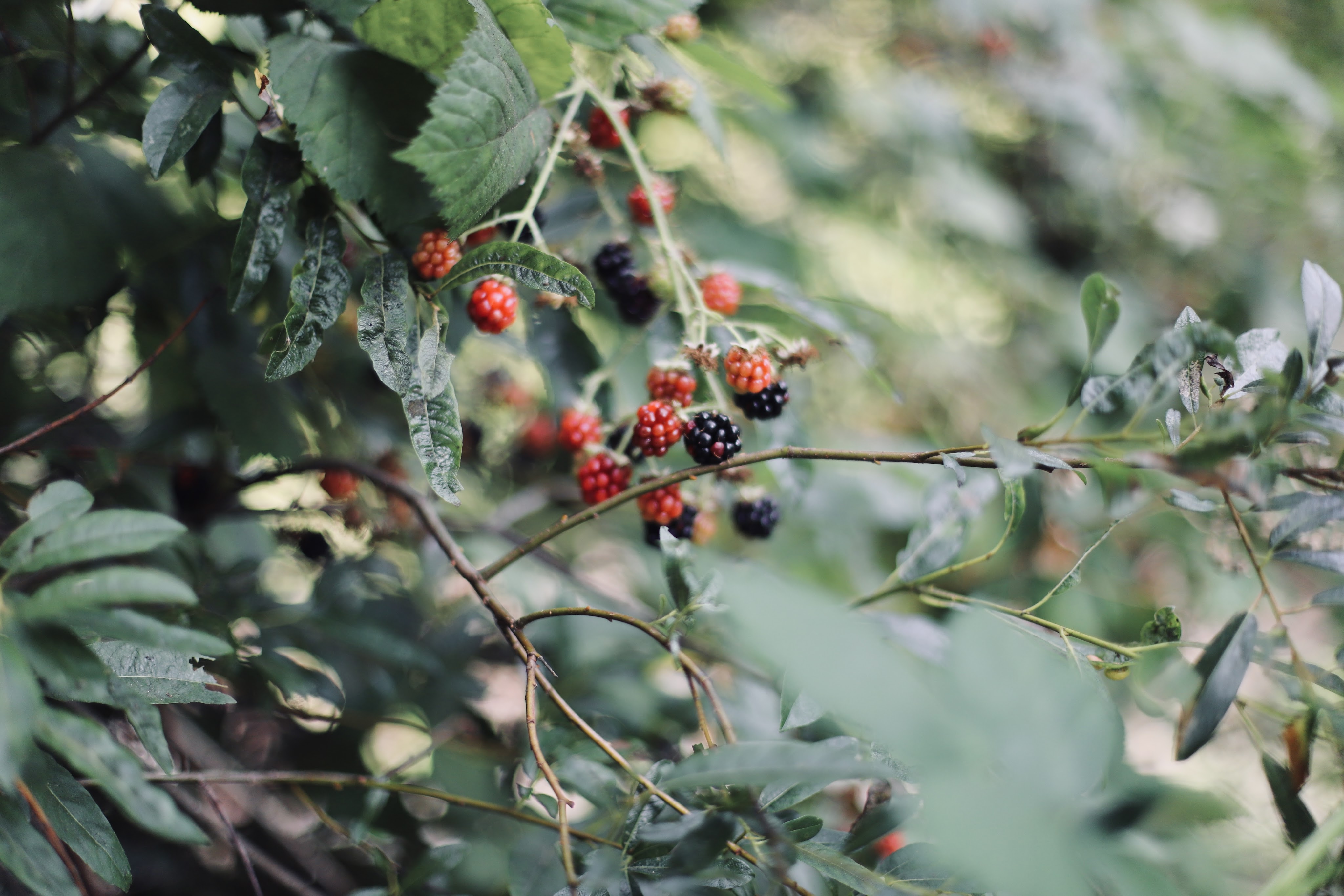
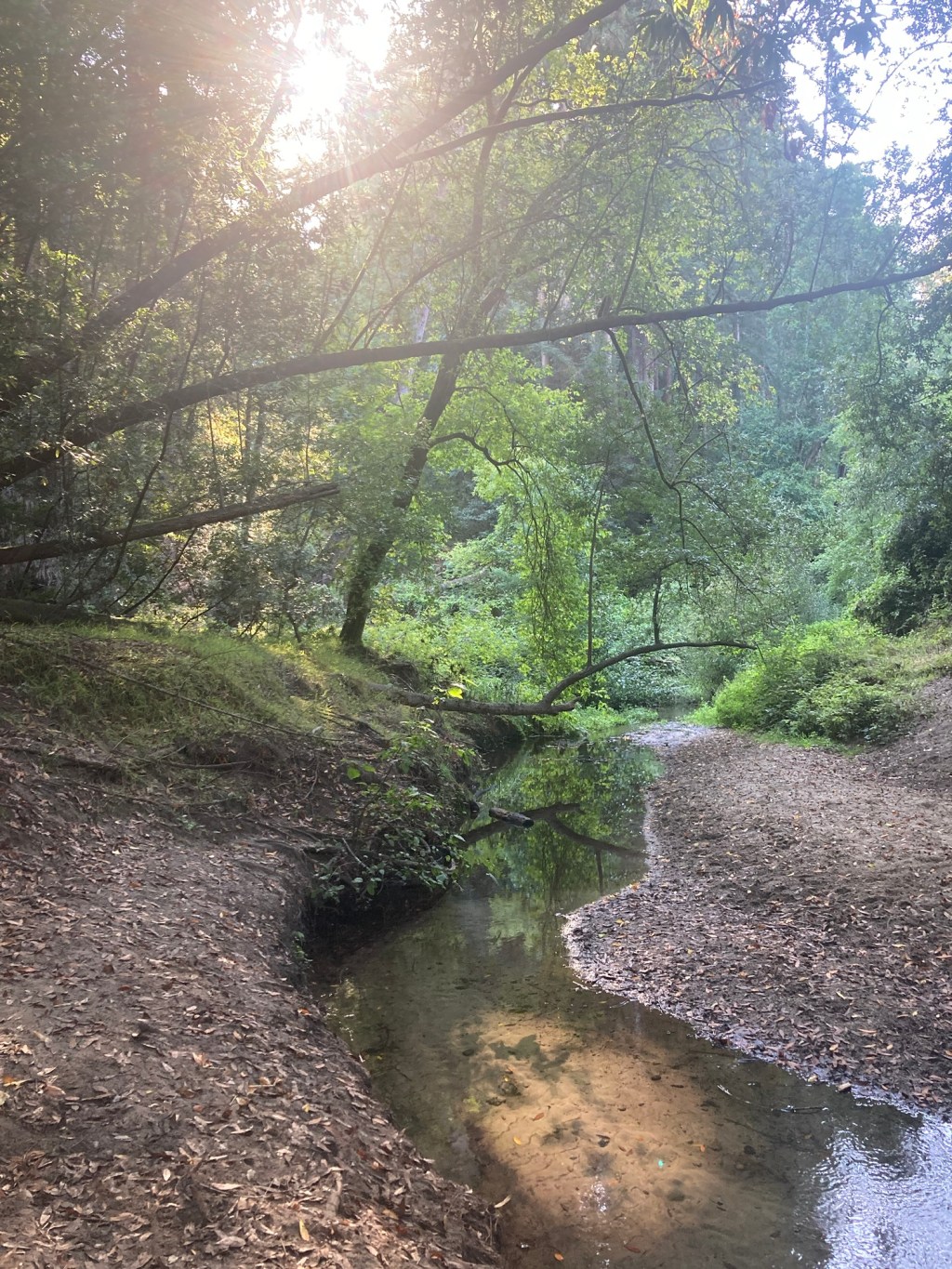
We first foraged and ate the blackberries on site. They tasted very tart and sour to me, but good overall. They grew right by a creek
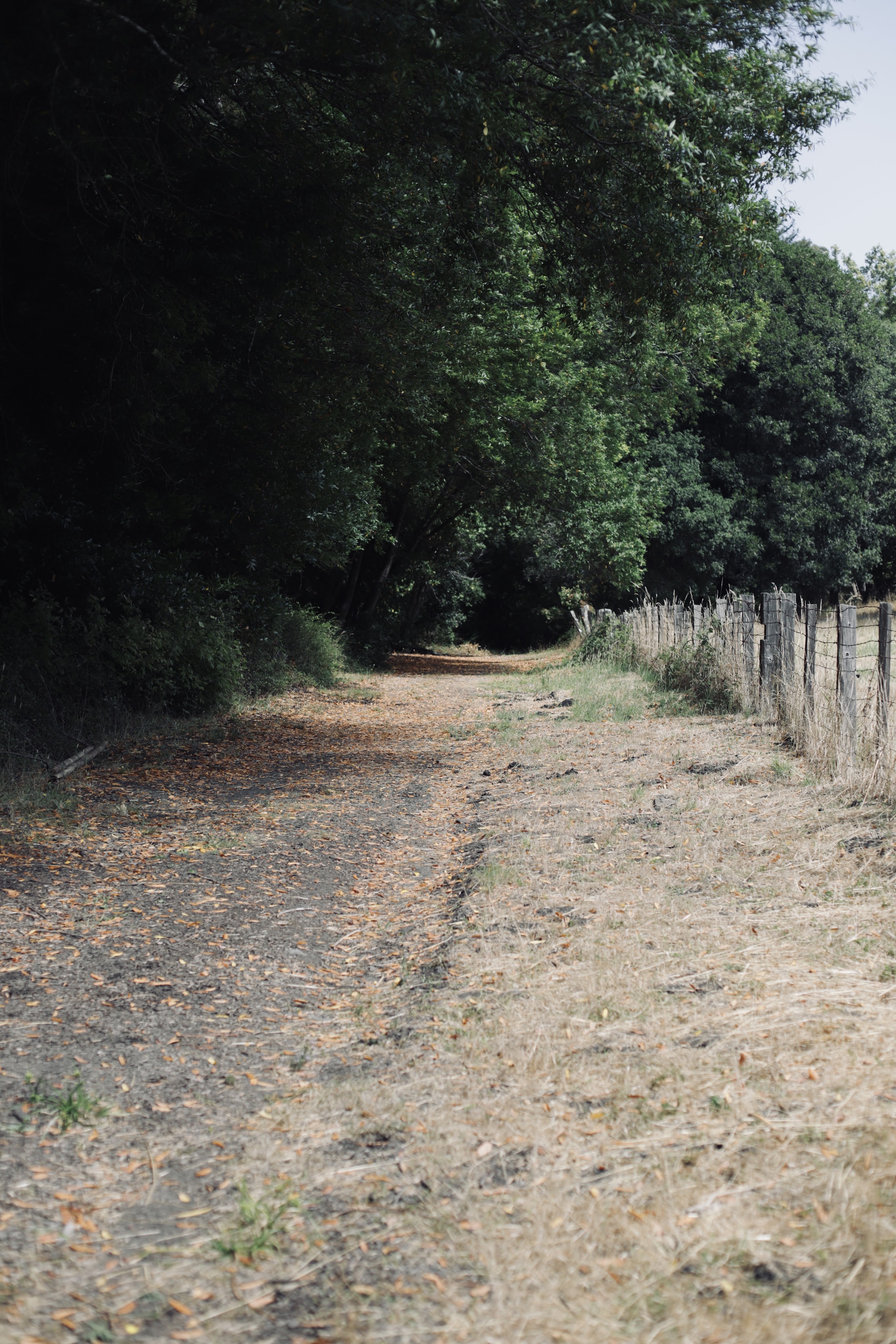
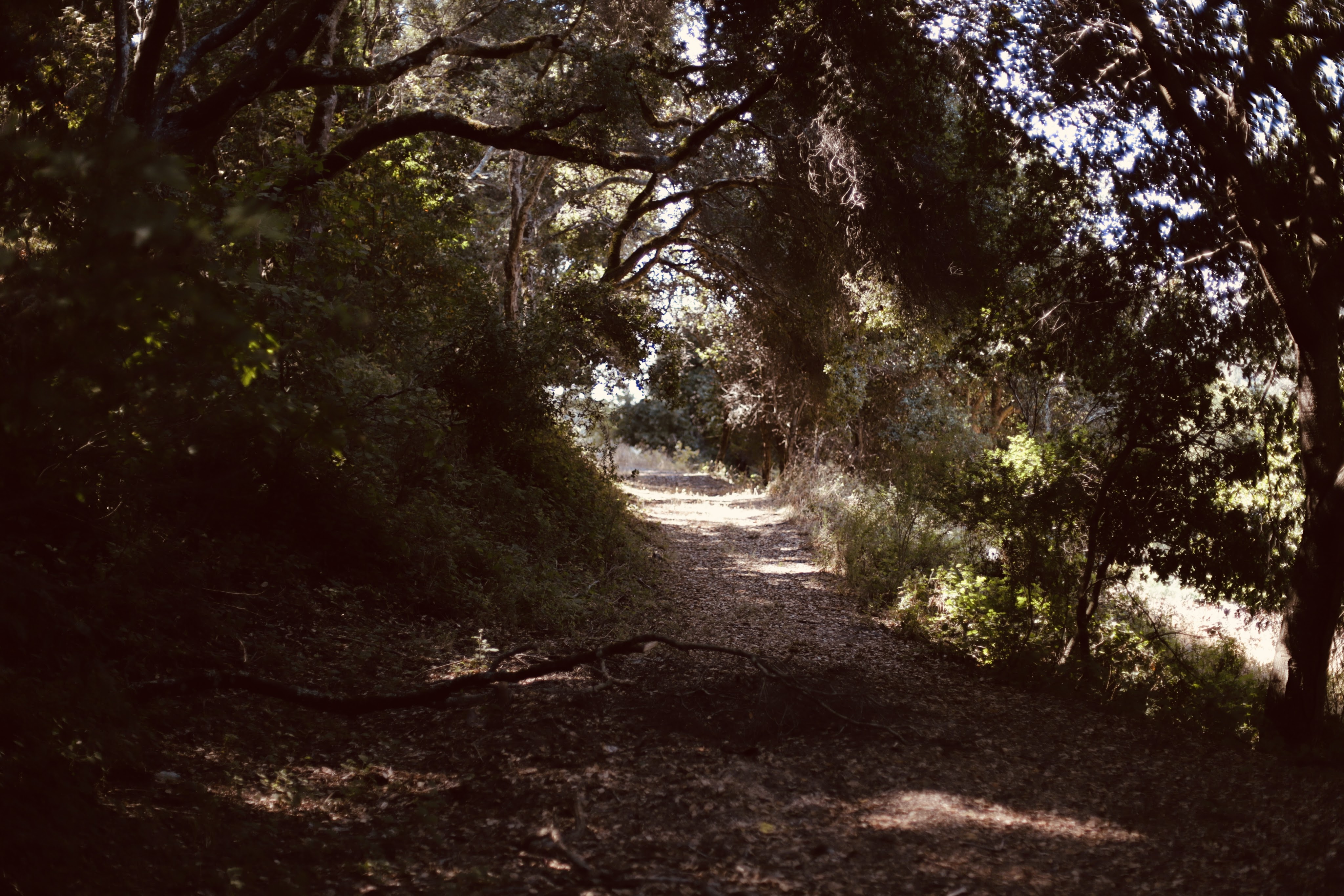
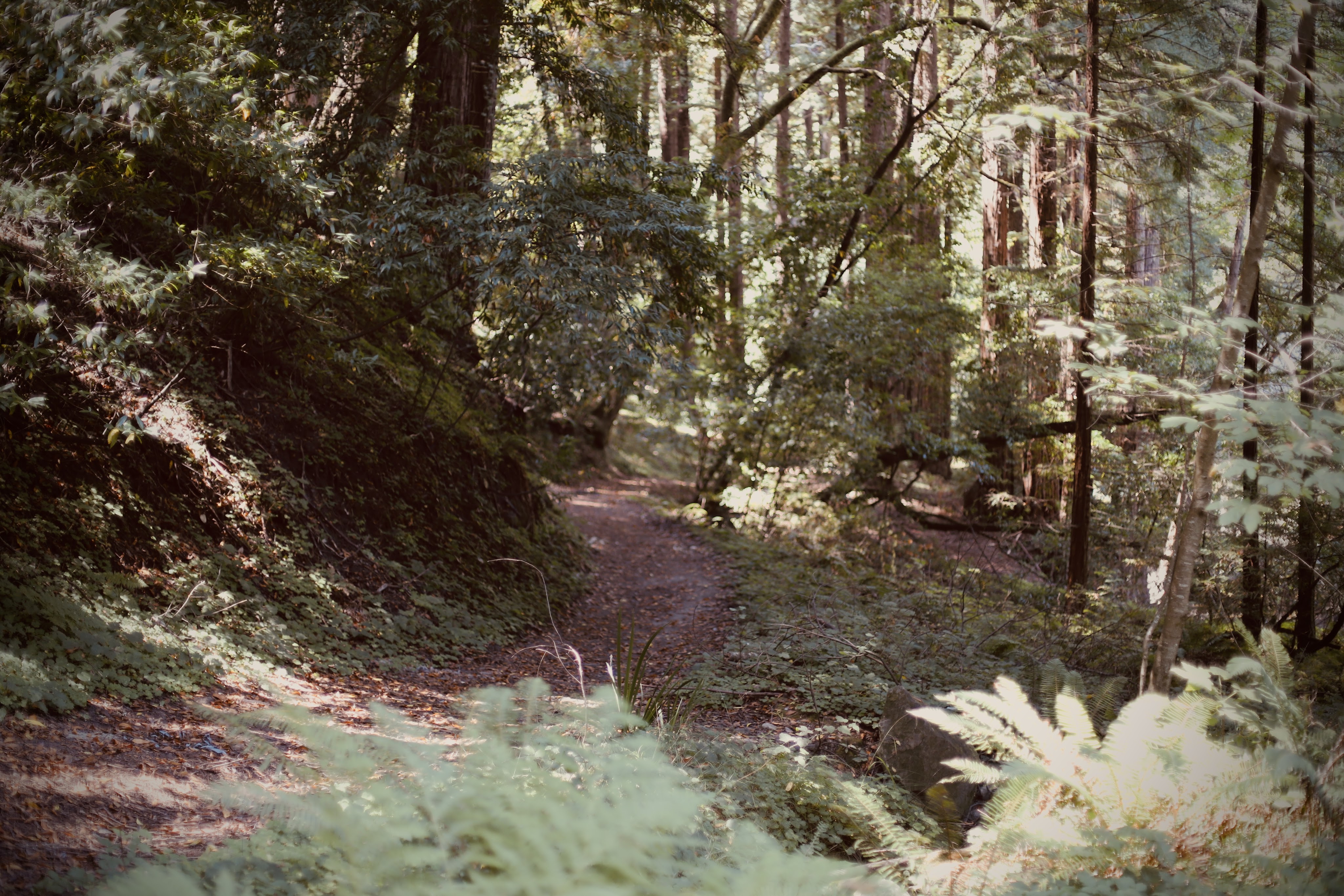
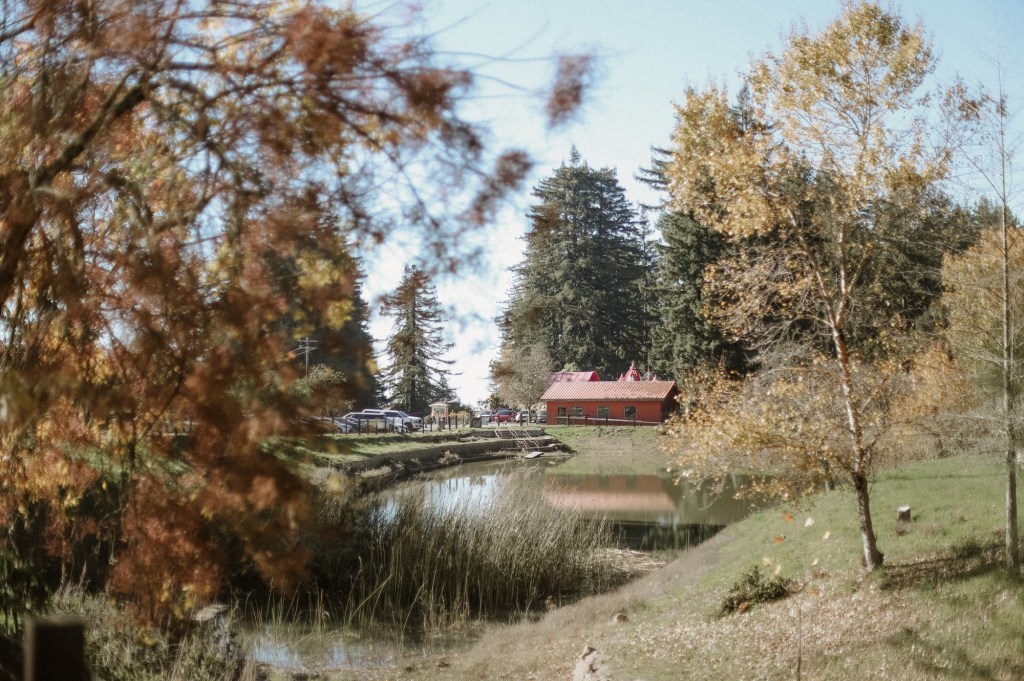
We started our trip towards this area, and then later into an area with more trees.


We came across our first fungi – turkey’s tail. It has been known to have cancer healing properties, and is considered to be more medicinal. A little bit of this can also be made into a tea to help fight off minor sicknesses like the cold, too. The one here had already rotted a bit and lost its moisture.
The guide also pointed out lichen to us. I don’t remember much beyond it except its name. It reminds me of a plant I saw Ramsay forage in an episode where he used it as a minty tea.


This was one of my favorite things to learn about during this trip. The poison oak is poisonous, evidently, to humans. The lower lying oak, otherwise known as the “guardian oak”, will tend to grow around areas in nature that need more attention, or more restoration. Such oak growth basically tells humans that that area is off-limits, since us humans cannot really touch poison oak. Once the area is restored again, that oak will die down, and grow somewhere else that needs tending to.
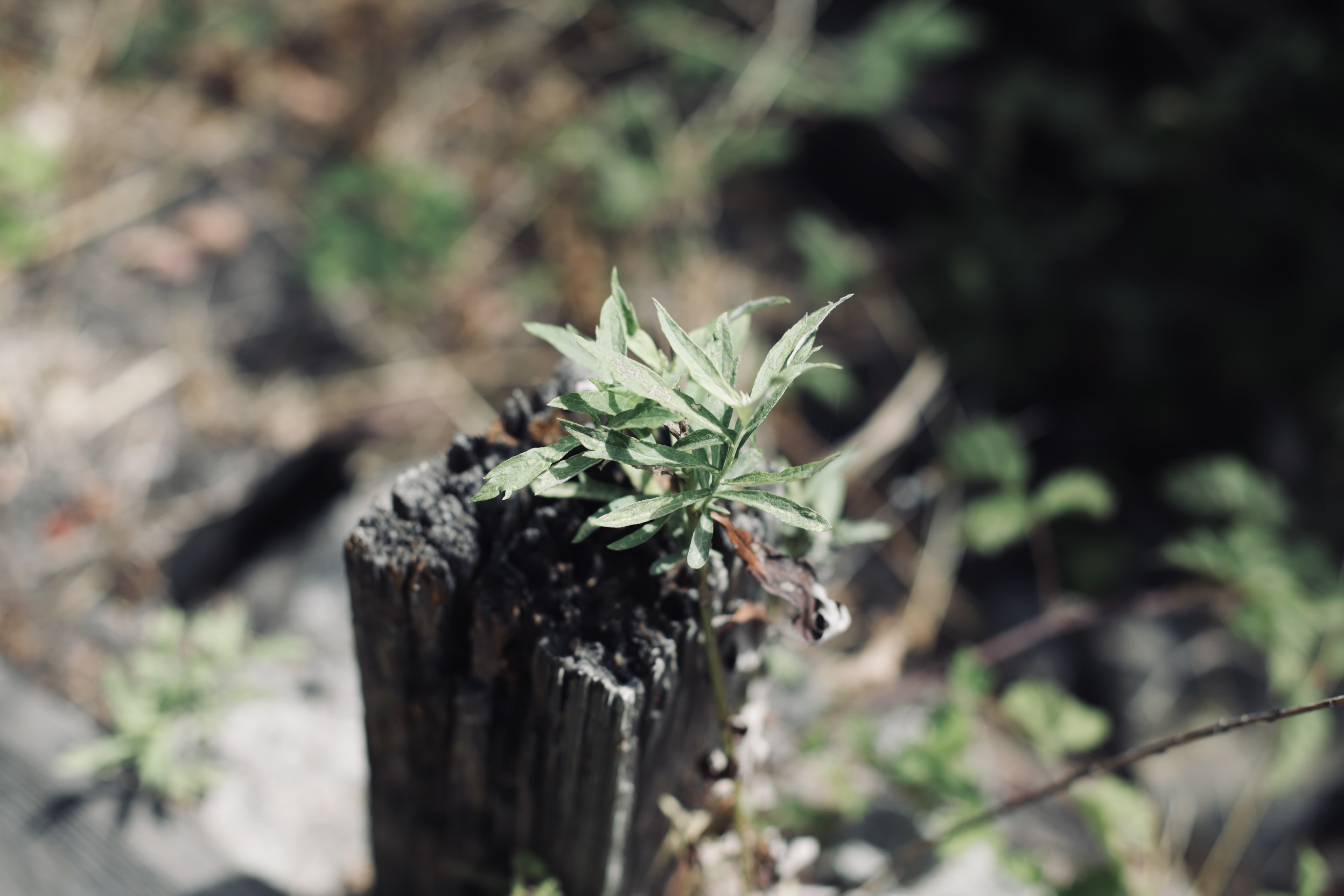
This is called a mugwort plant. If eaten in large chunks, it can have a psychedelic effect. I only ate one leaf though, and it tasted kind of minty.
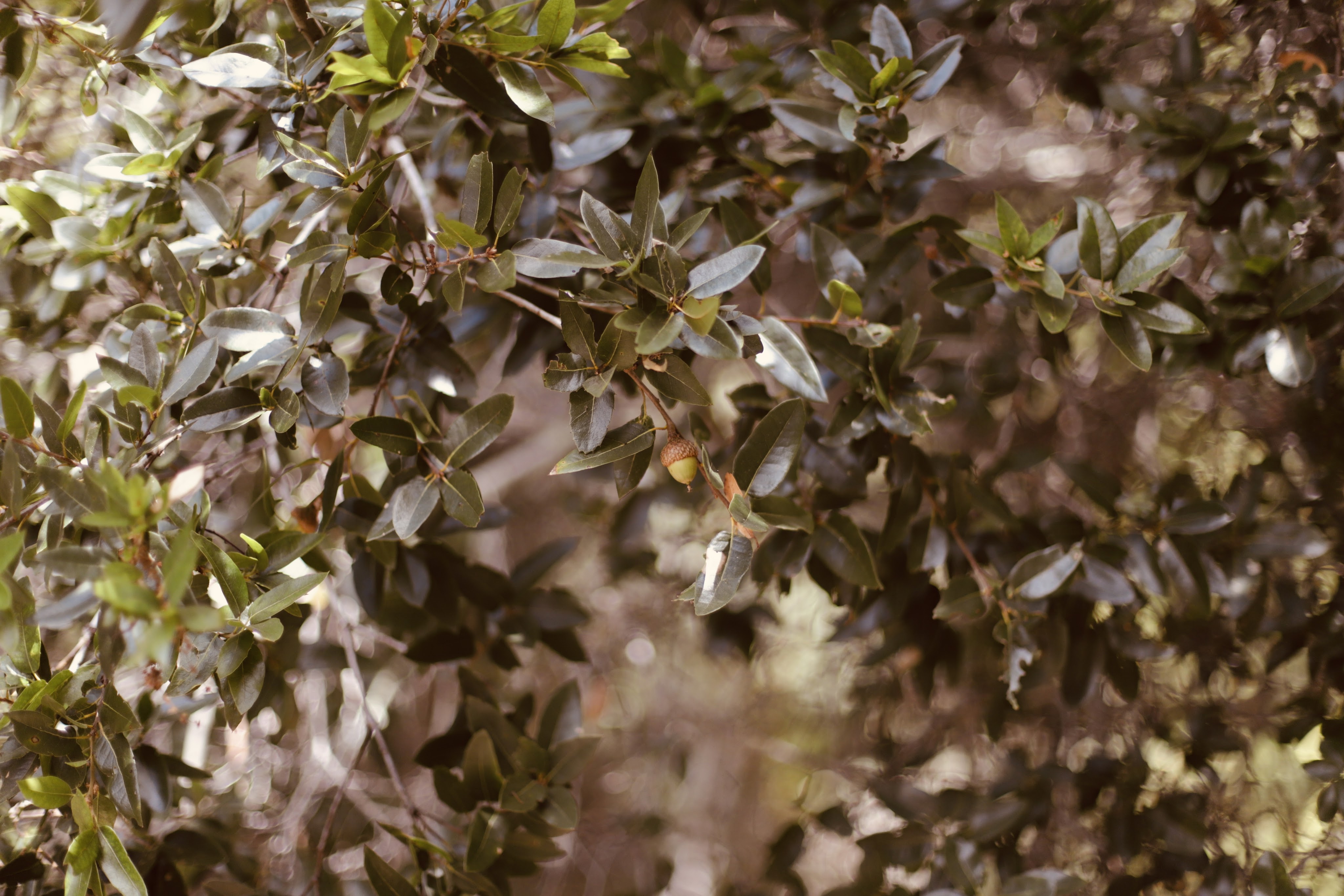
This tree has leaves that are related to the bayleaf. To many people in the group, the scent of it was pleasant. However, to me, it smelled very bad.
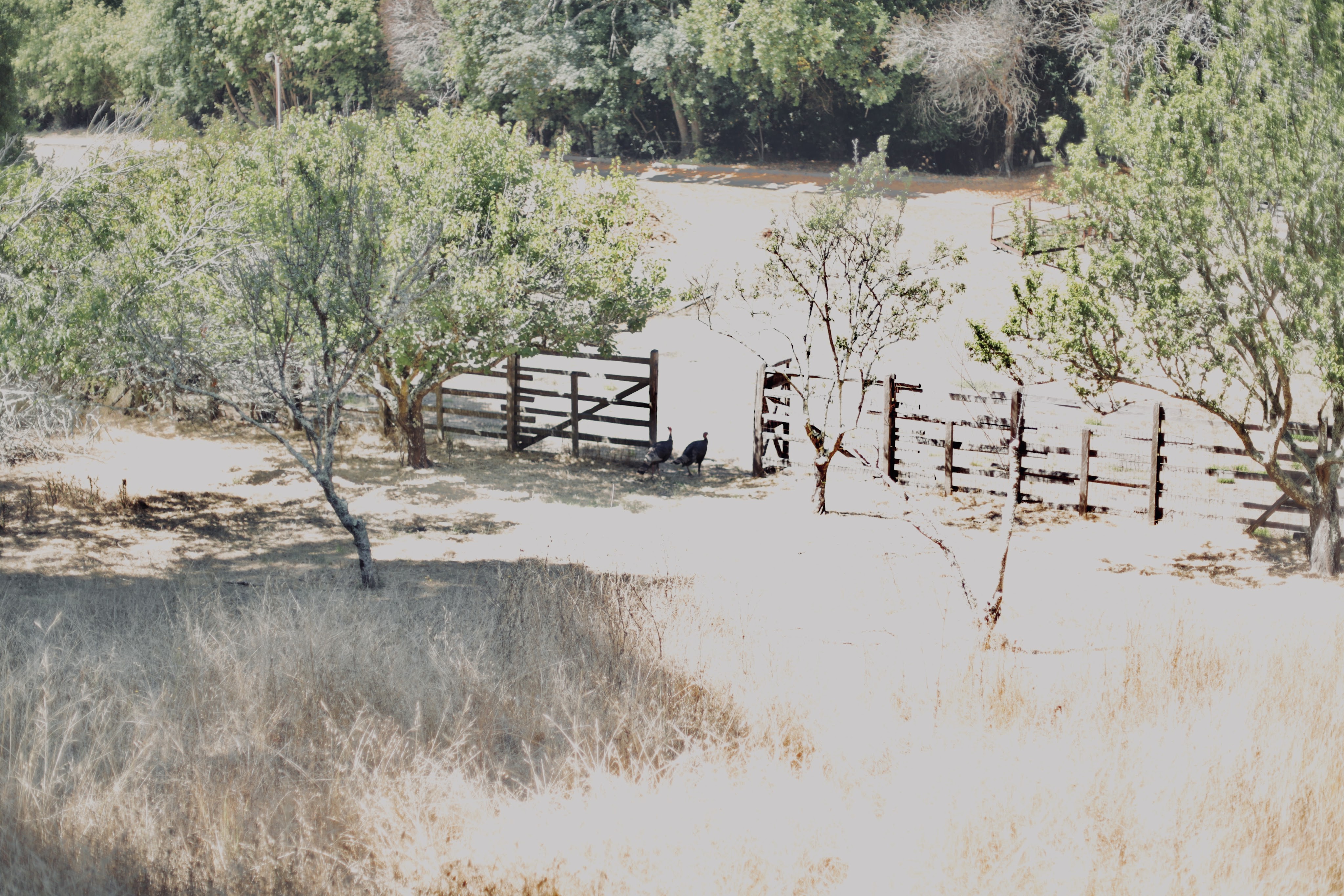
Spotted some wild turkeys.
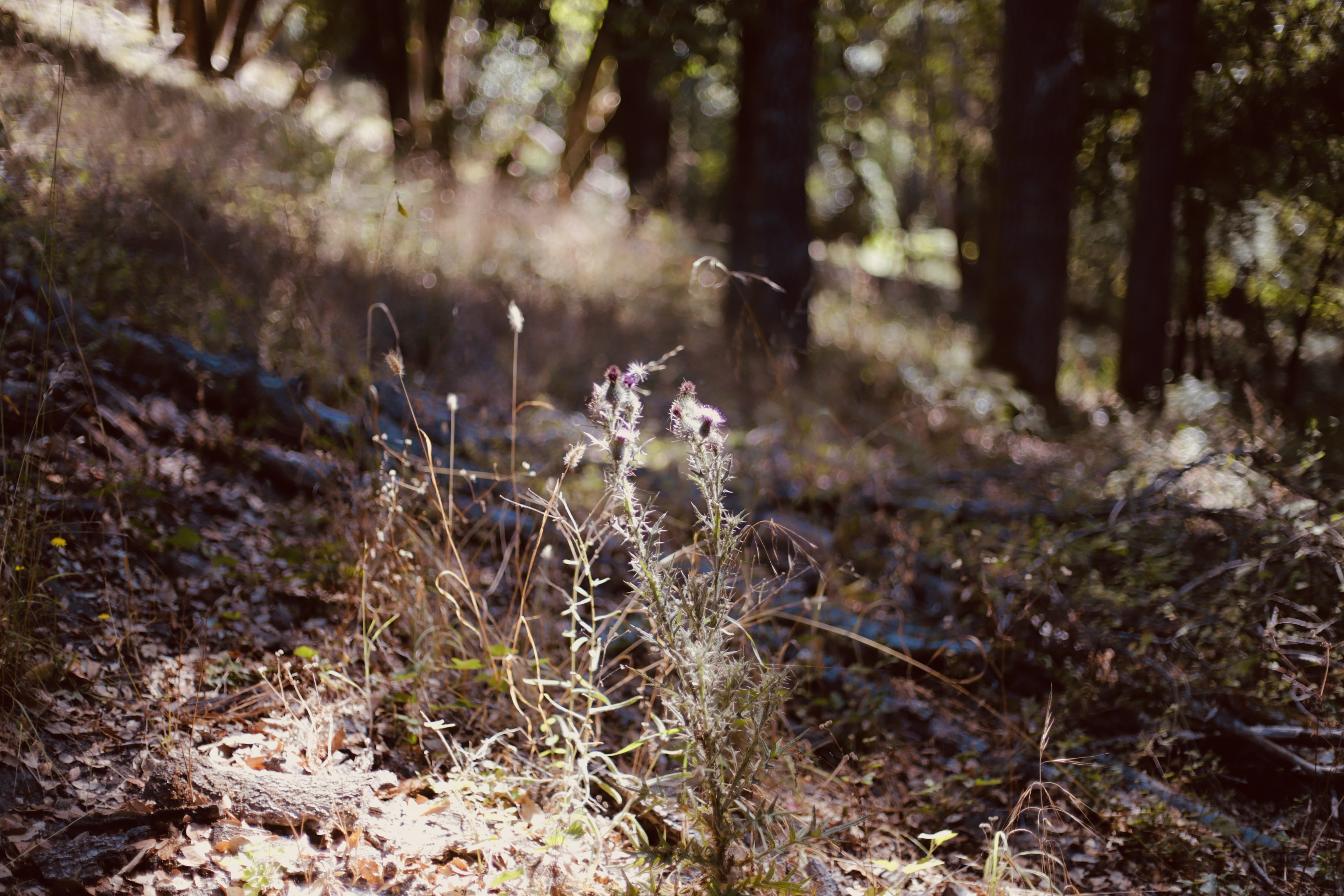
This thistle weed also has medicinal properties. Small amounts can also be made into a tea to help with minor sicknesses.

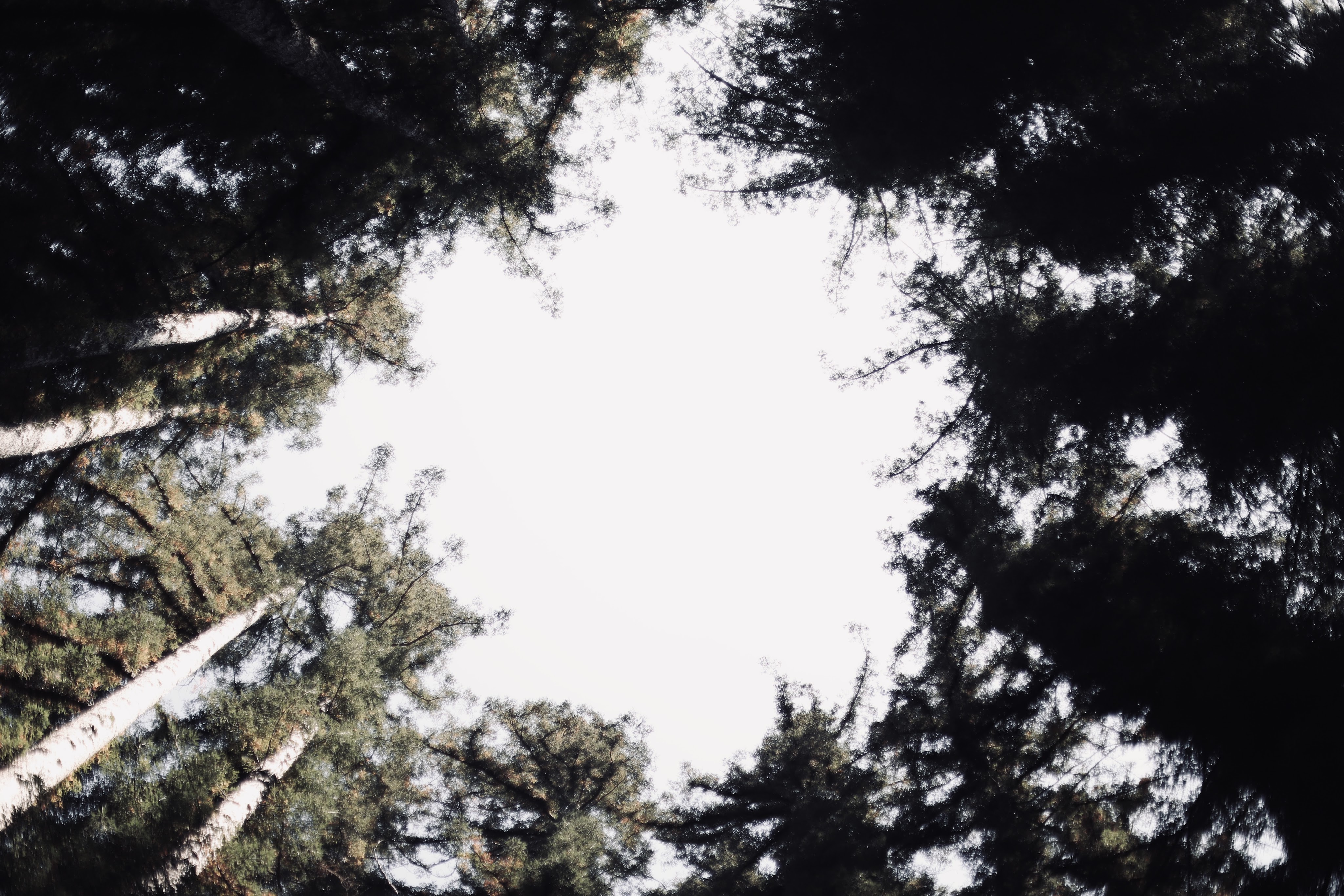
Something I was reminded of for redwood trees is that they have shallow roots, but interconnected ones. That is their resilience and how they survive – in community. I have often heard this in books and sermons, but it felt real official to hear about it from an expert.


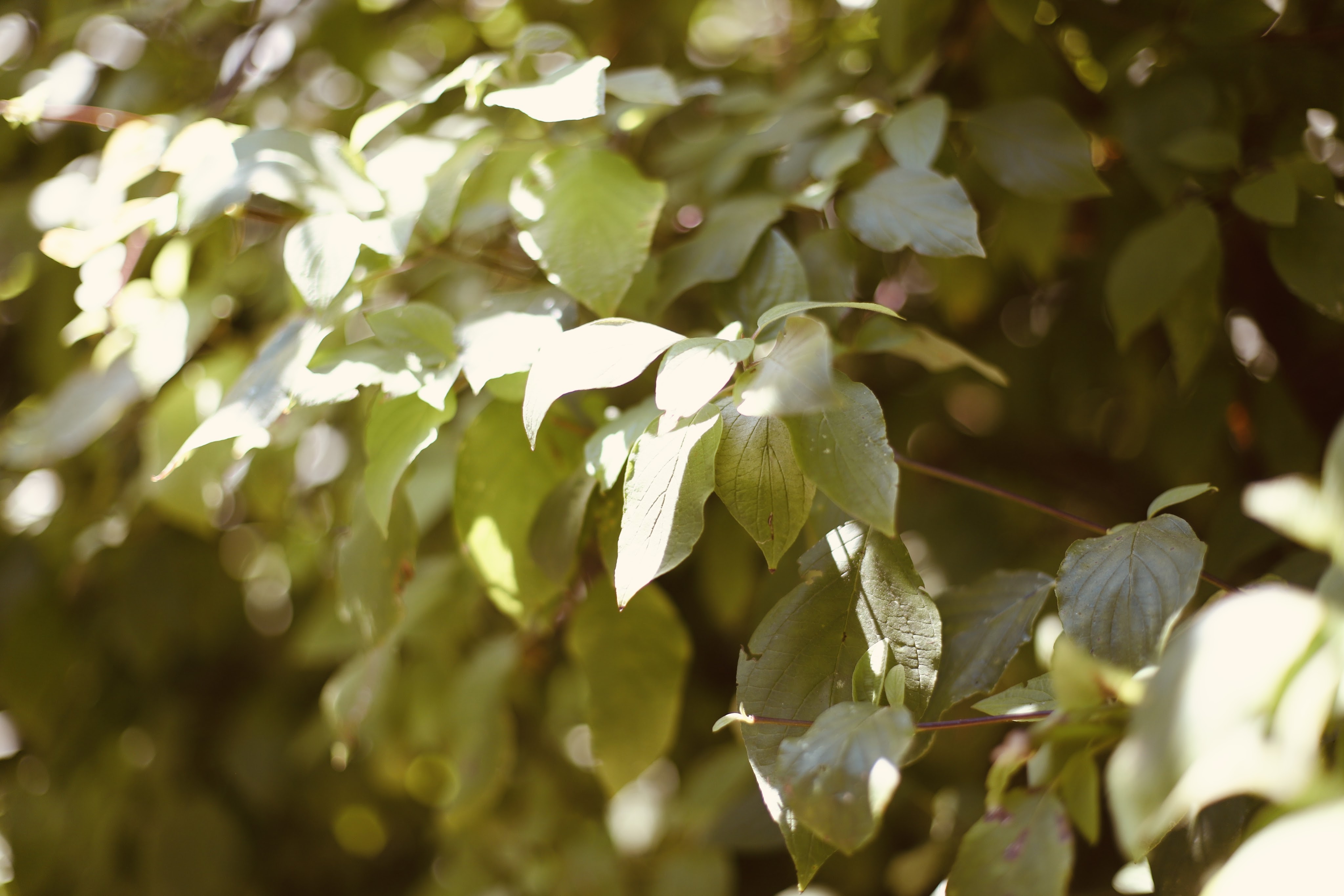
The dogwood tree. When it blooms with flowers, the outer, white-looking petal parts of the flower are actually leaves that turned white, with the actual flower in the center.
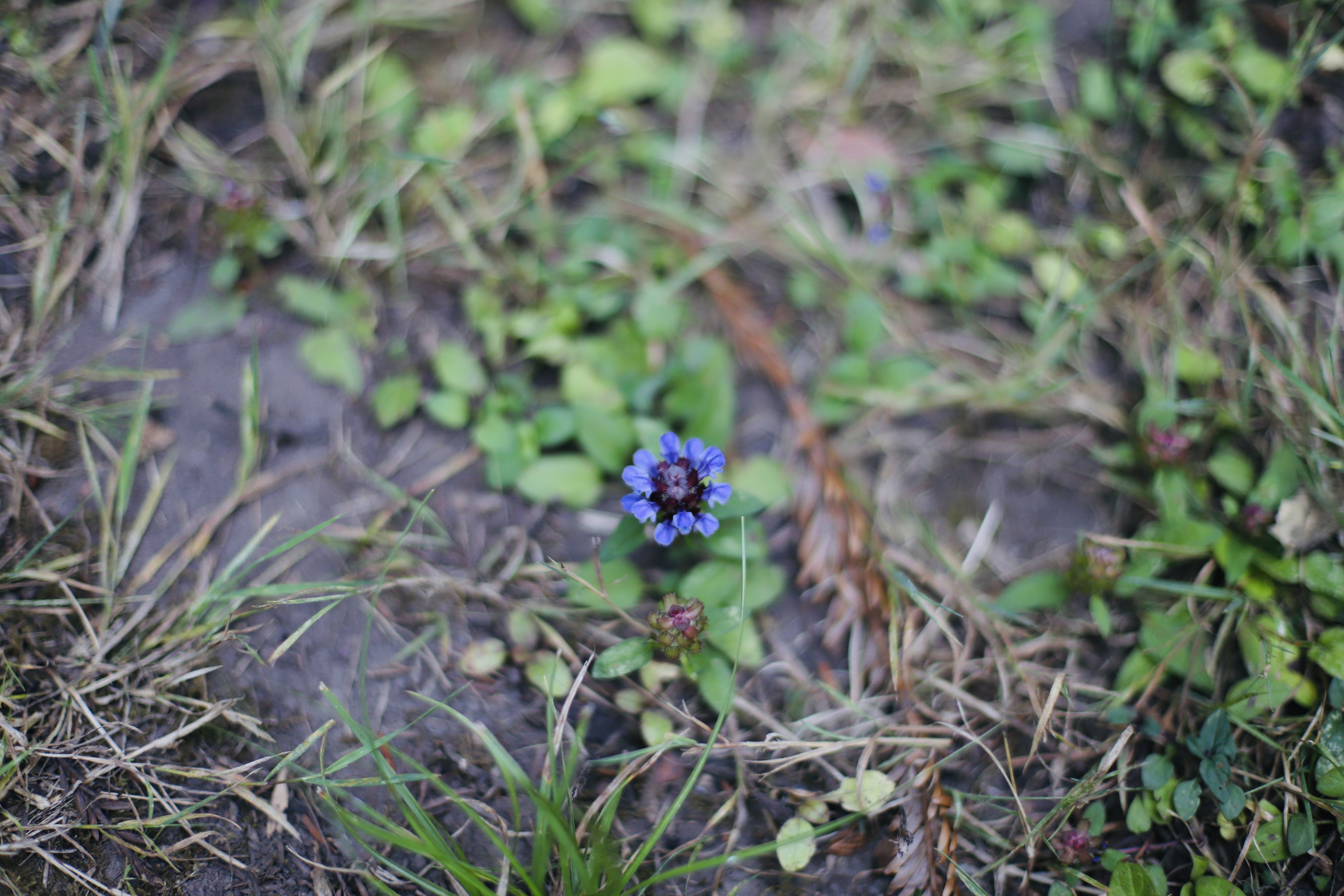
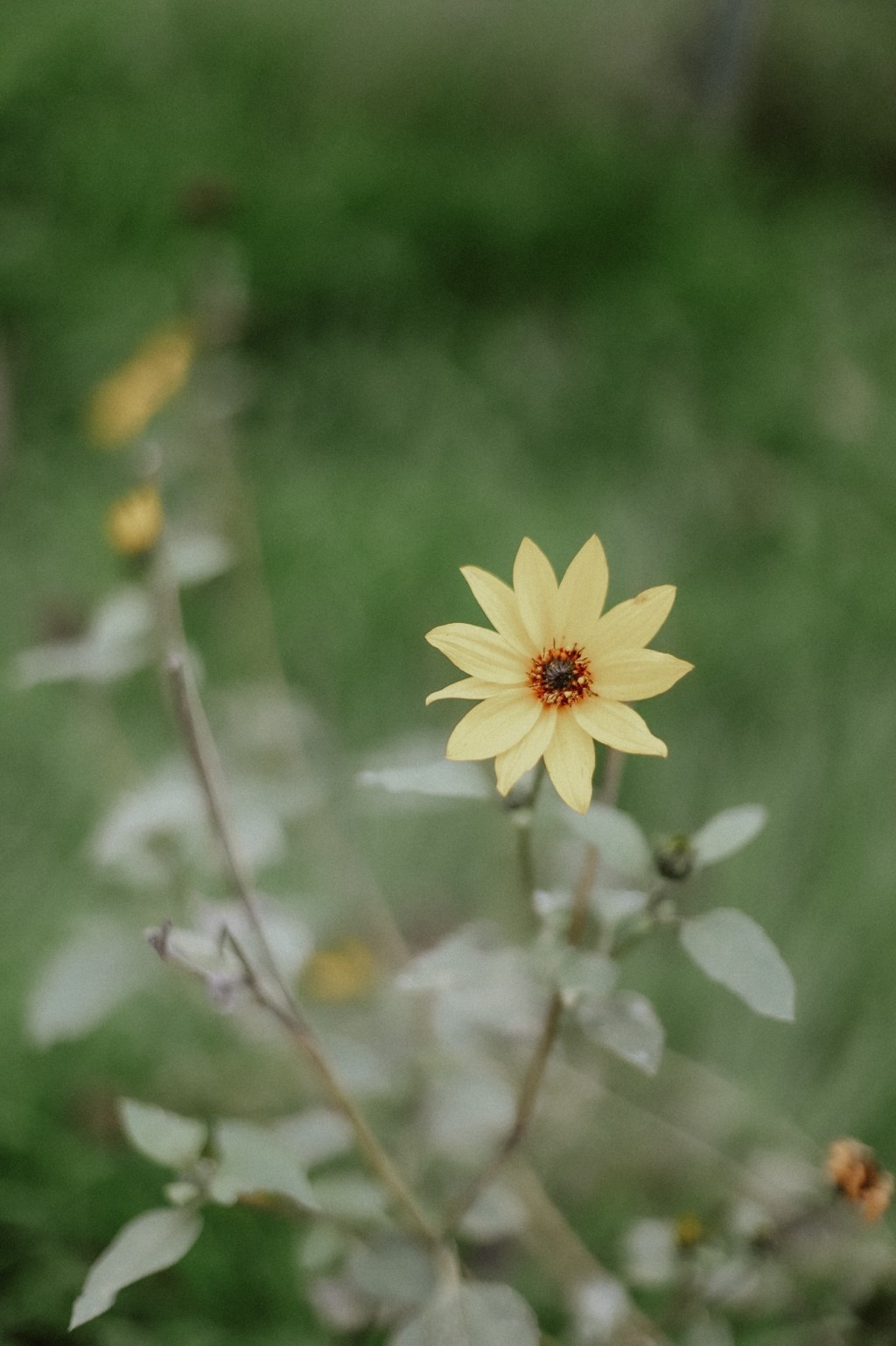
I forgot the name of this, but I ate a couple of these because the guide said it would taste sweet, but it did not taste sweet to me. It is a pretty flower, though.
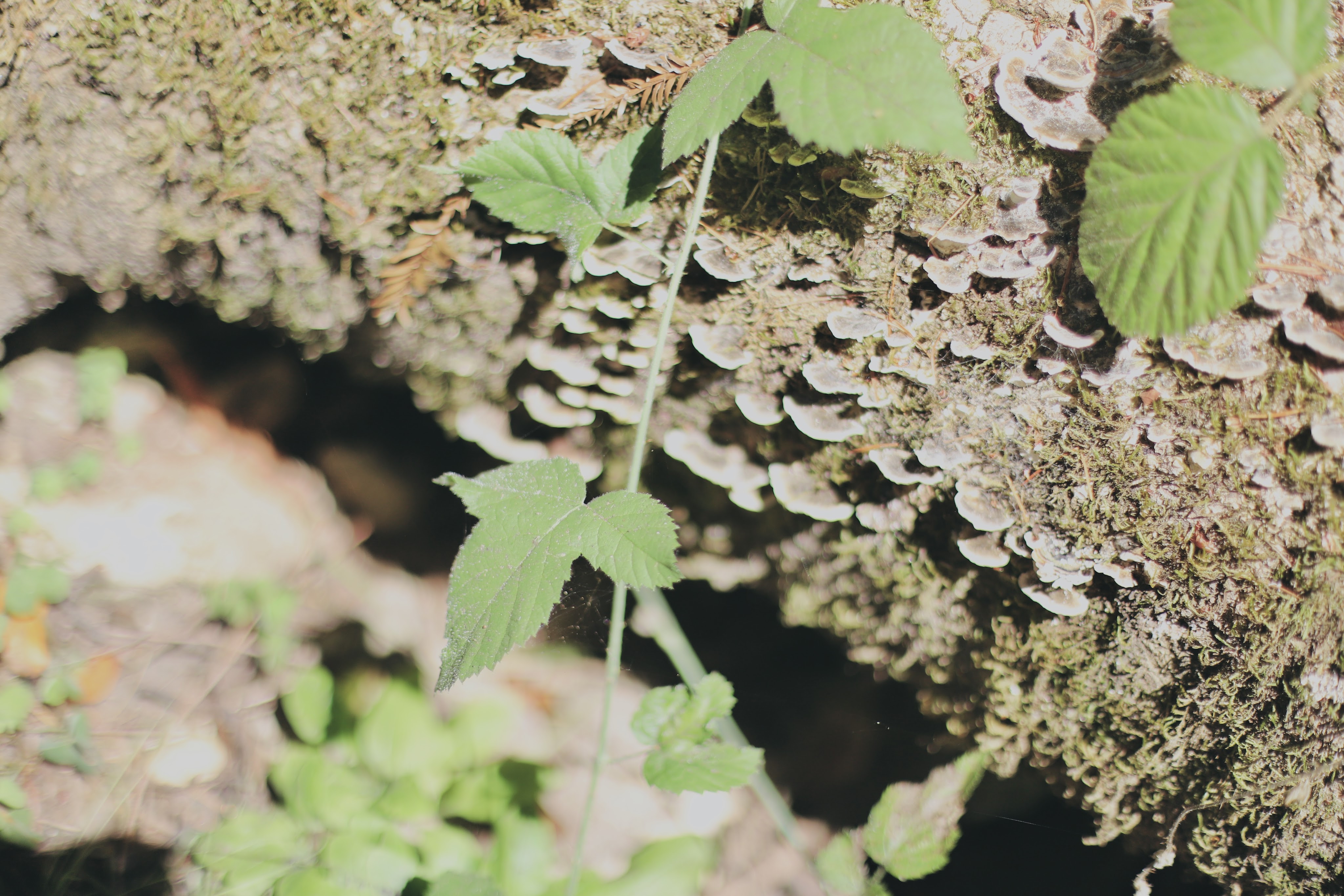
More turkey tail fungi. This was genuine turkey tail. However, we were taught that if the underside of the turkey tail was orange, it would be a fake turkey tail. I don’t remember much beyond that.
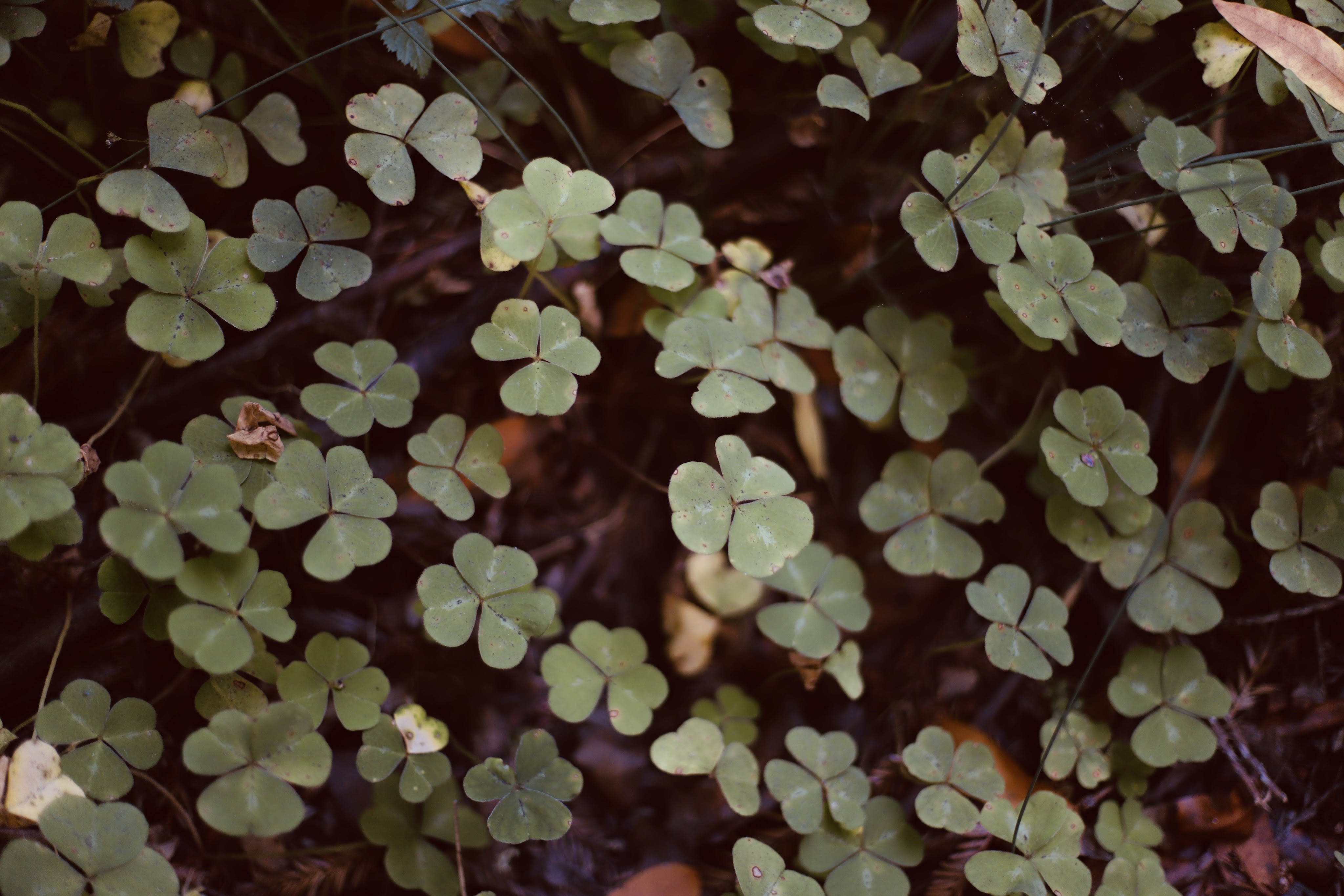
Apparently this can be used as a garnish. I did not take any though, unfortunately. It looks like a clover but it is not. Its leaves are actually much bigger than that of a clover’s.
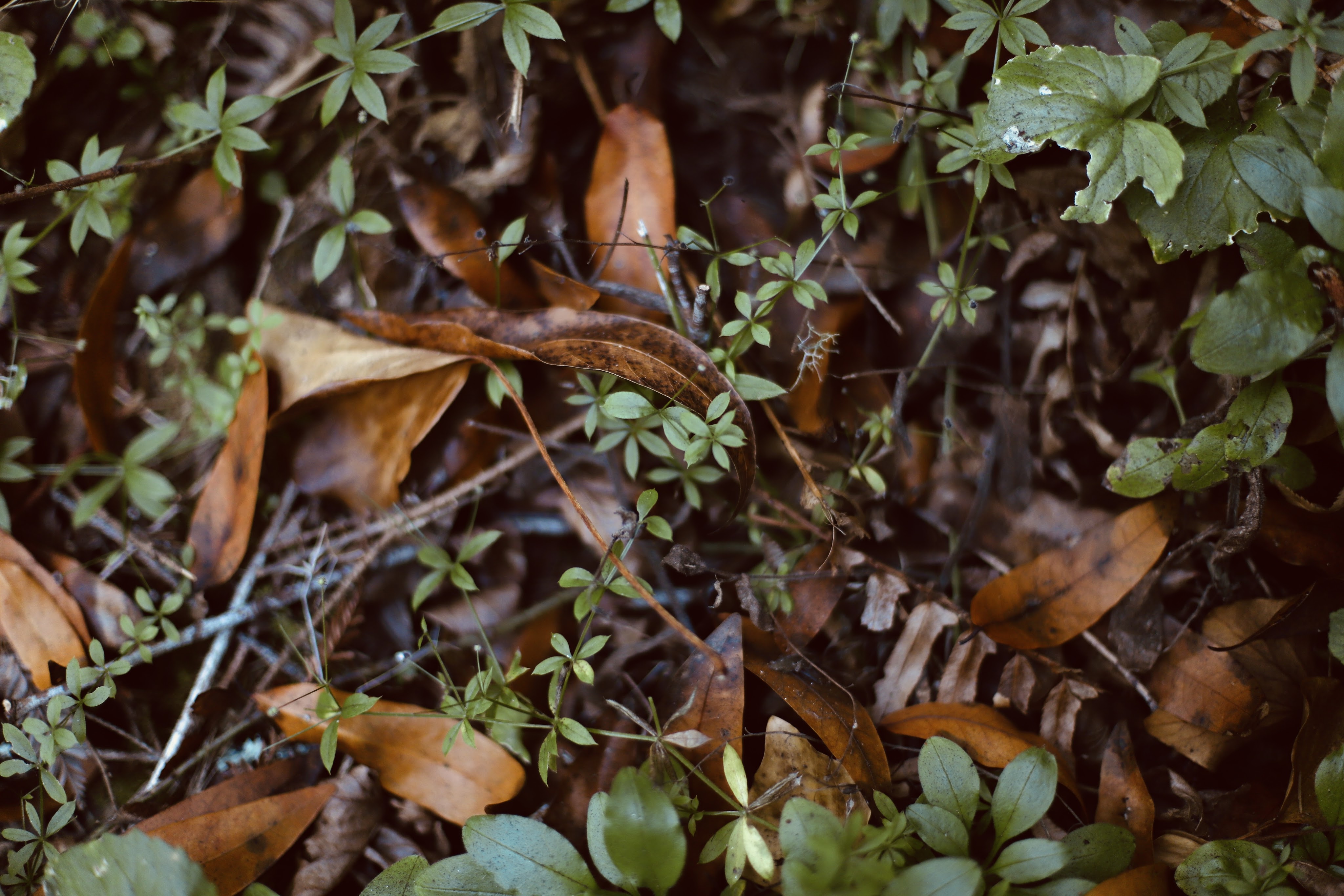
This thin stem with the small leaves in the center of the photo was what I was trying to capture. It is a very sticky plant, and will stick to your fingers and to your clothing.
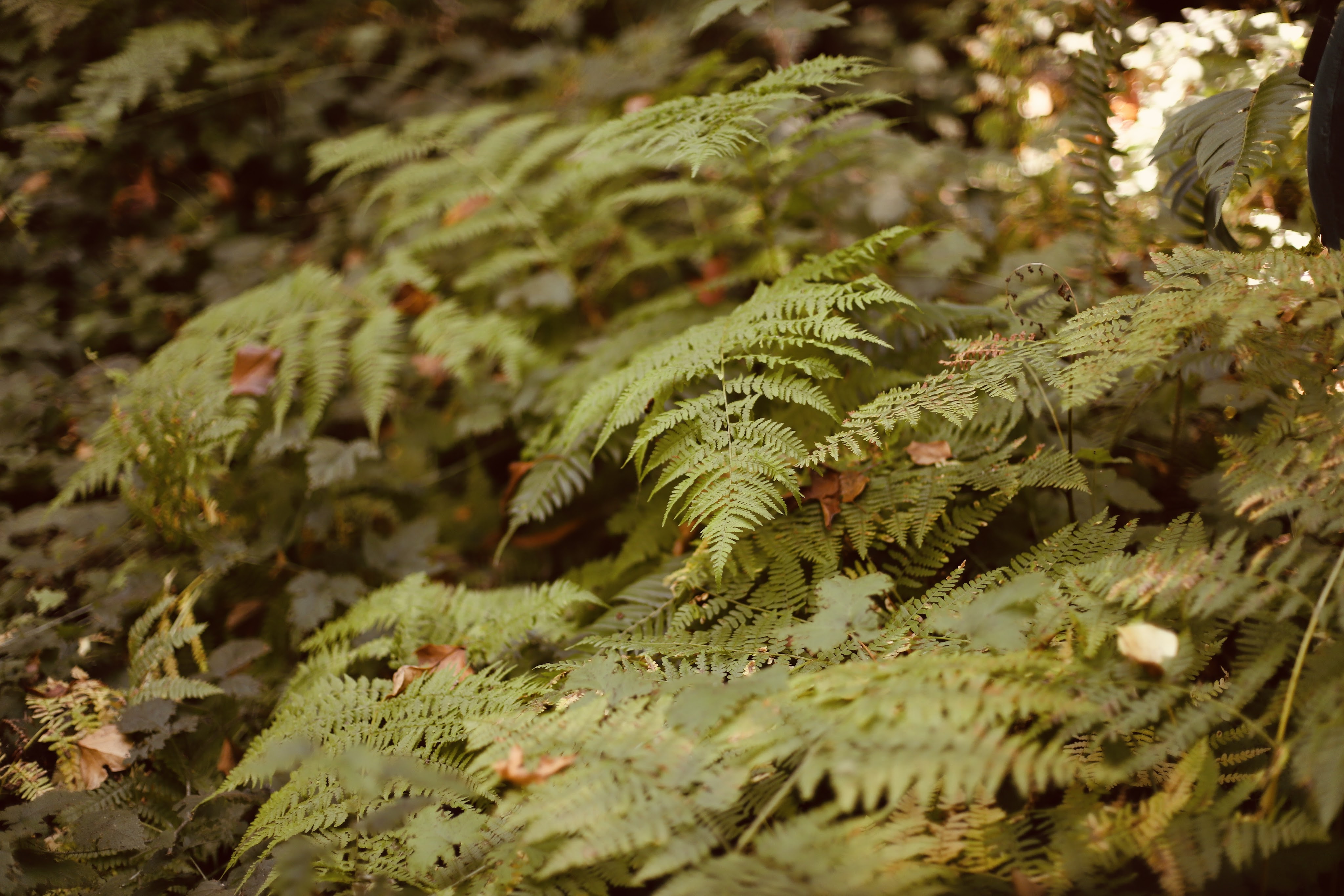
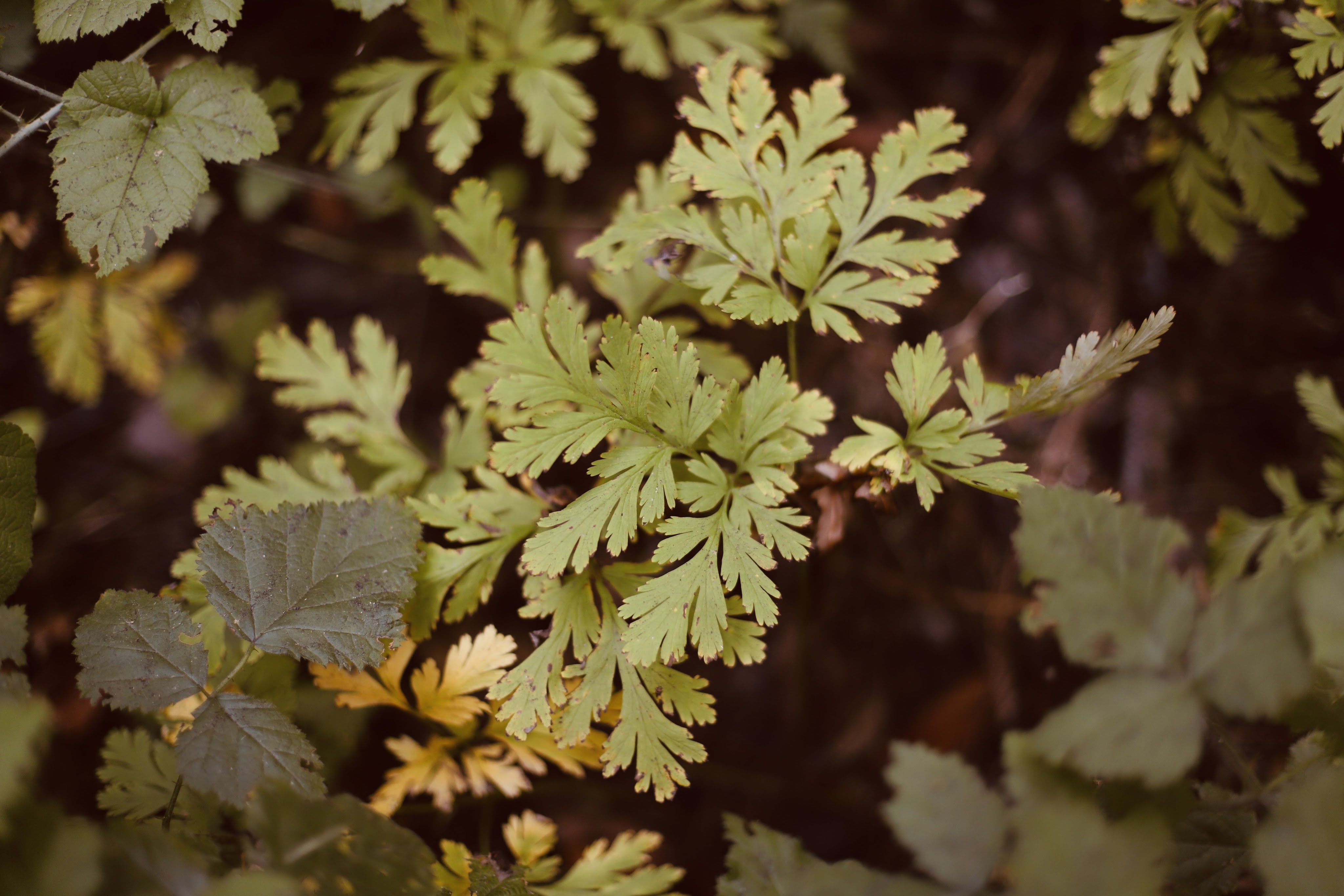
A fake parsley, and definitely not one that you would like to eat. Apparently, many plants from the carrot family are poisonous to humans.
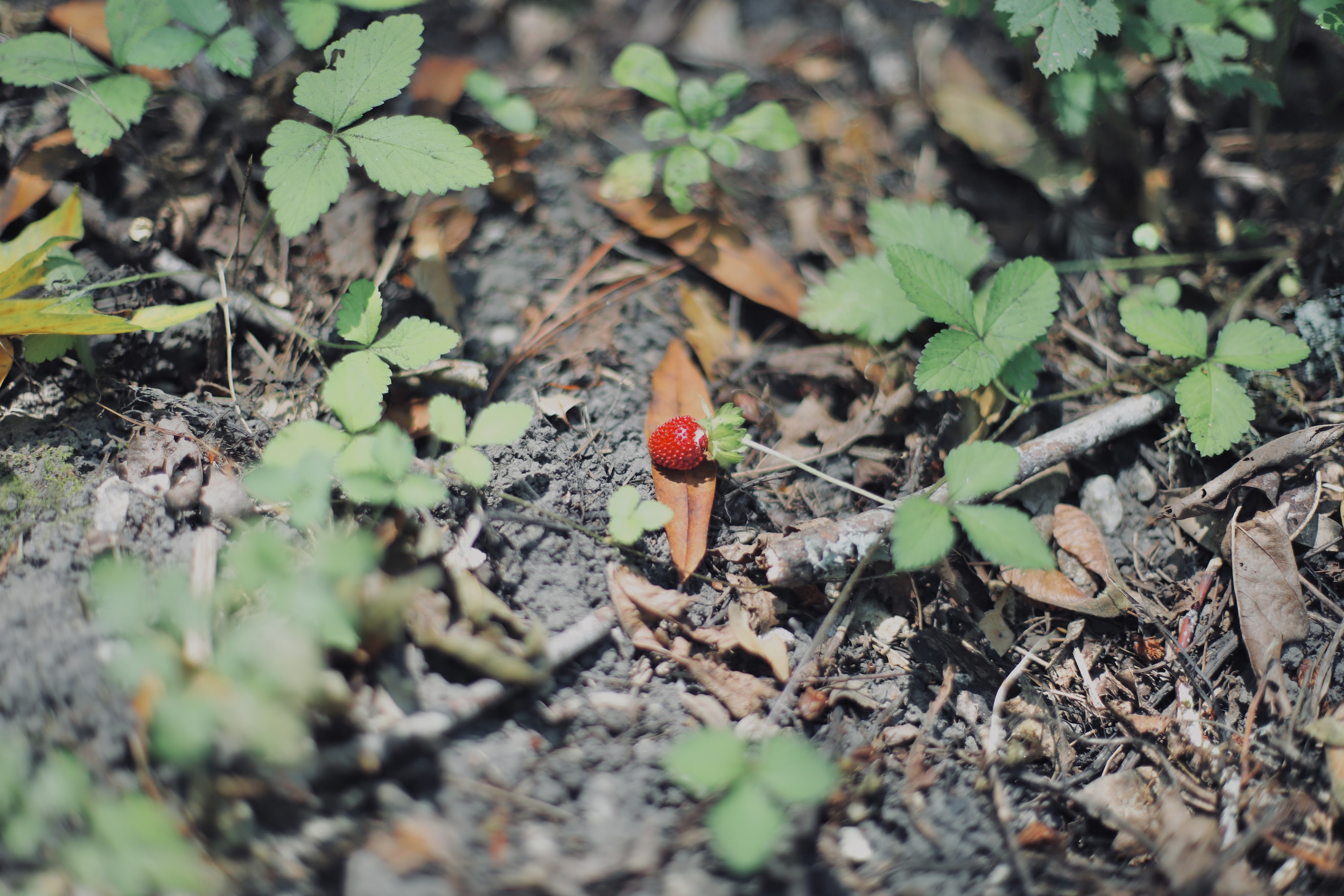
People were debating if this was a wild strawberry or not; even the guide was unsure.
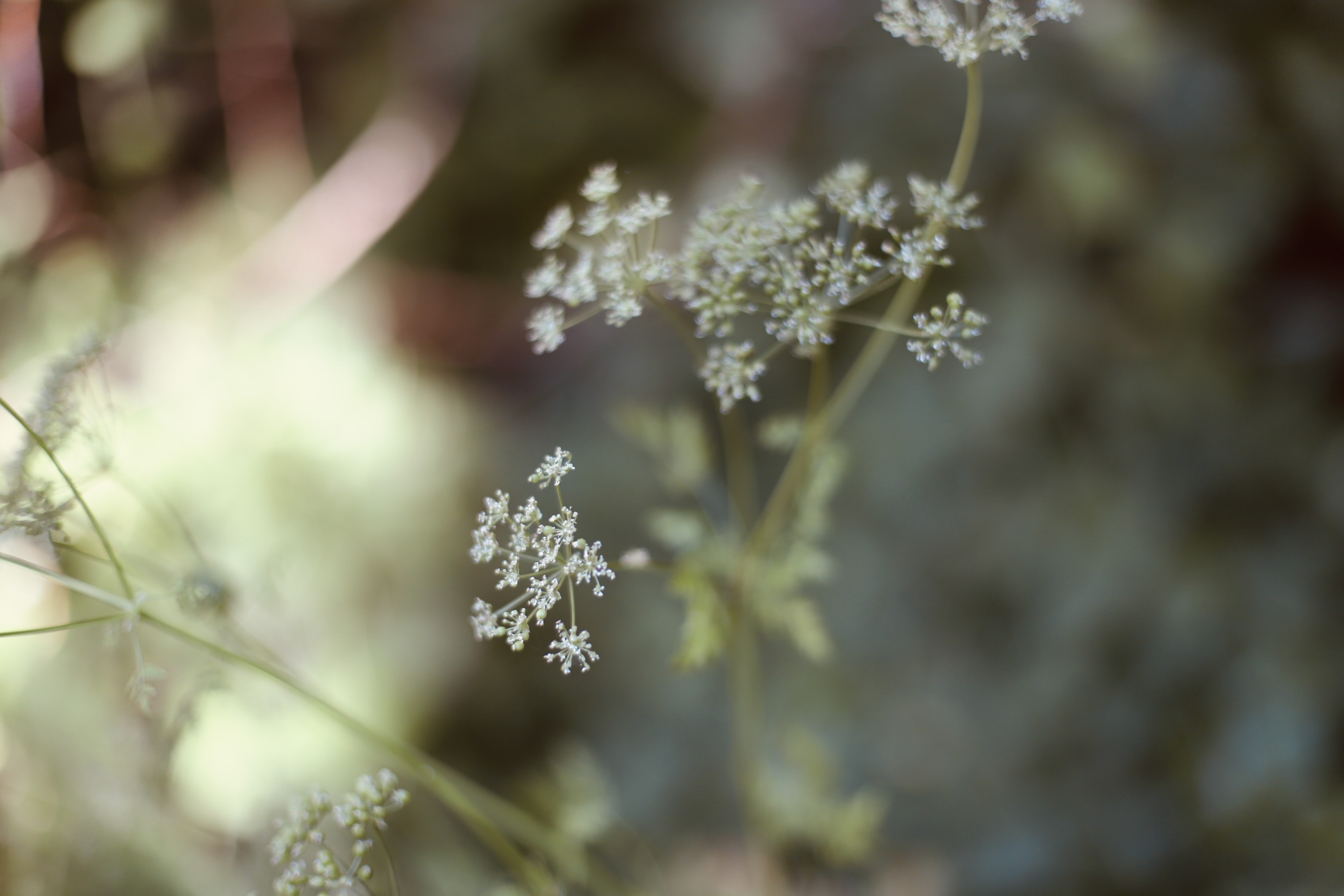
I don’t remember the name of this plant, but it is also a poisonous one to humans.
Thank you for reading this far if you have ! Hope you all try out some foraging of your own one of these days and learn how to be more connected with this beautiful Earth given to us just a little bit more.


 the heart as it is | courage • grief • beauty
Leave a comment