

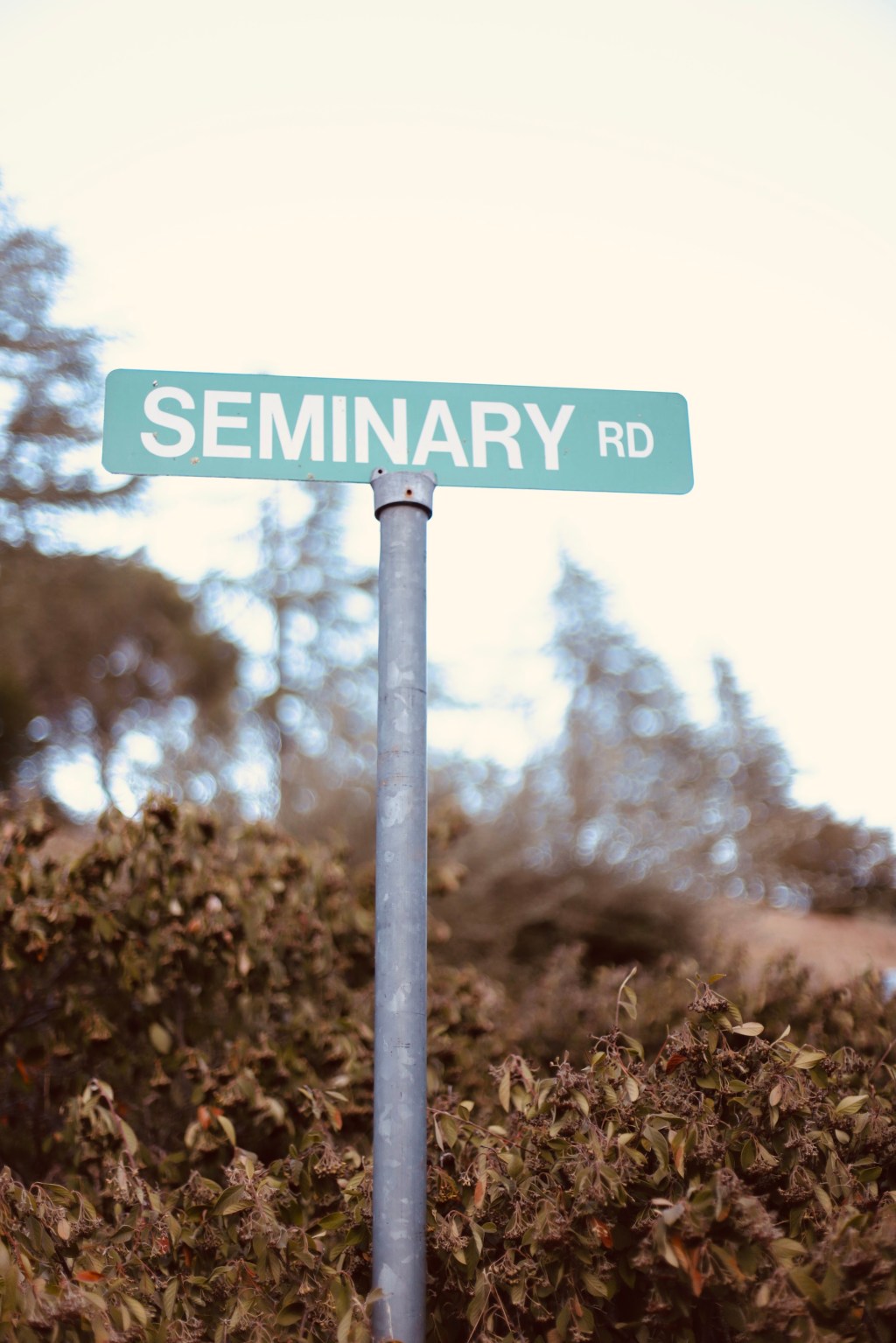

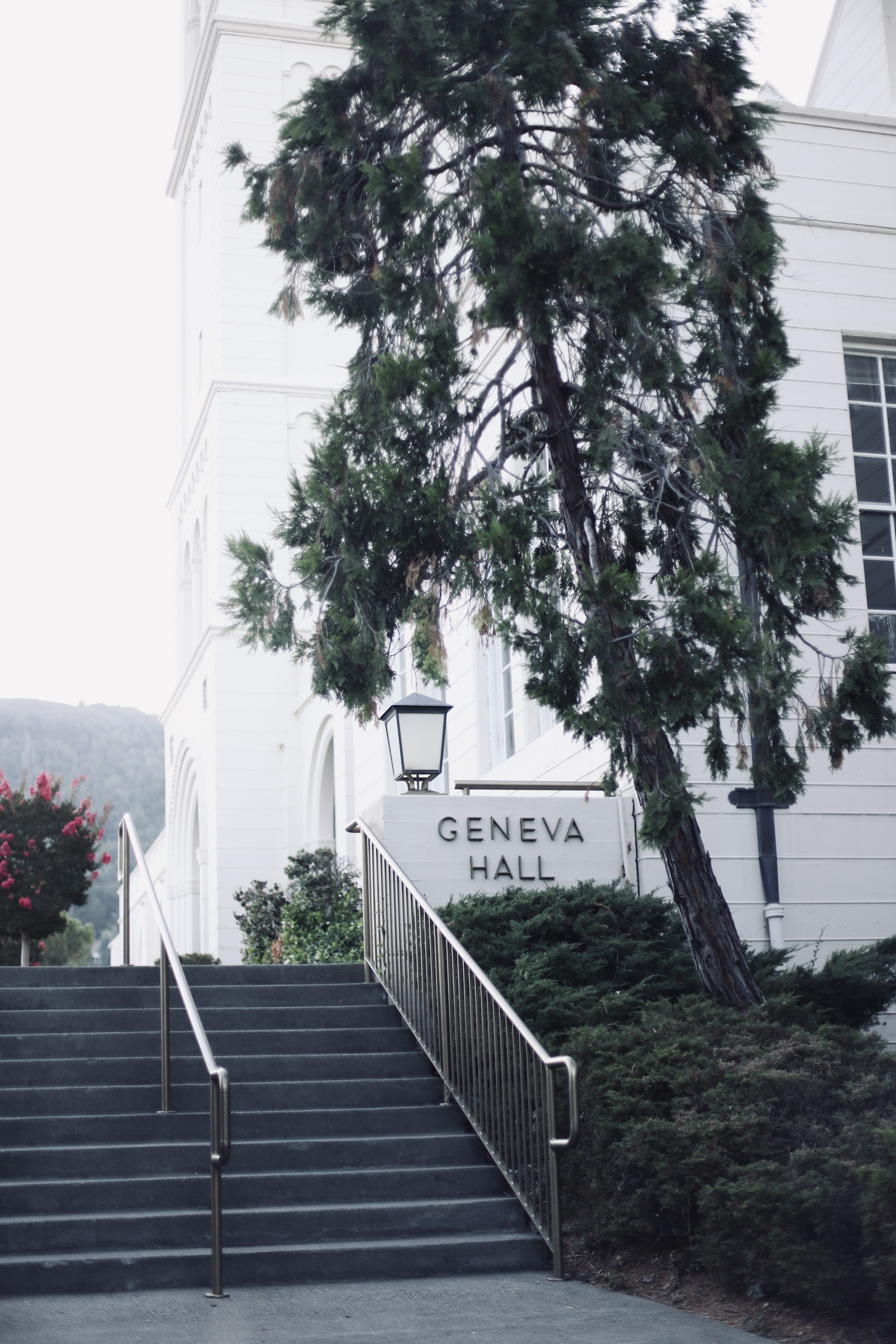
During mid-September 2023, I had the amazing privilege of attending the Faith and Justice Fellowship’s retreat at the stunning San Francisco Theological Seminary (SFTS) on the University of Redlands Marin Campus. This fellowship is closely connected to my current home church. I also follow the works of the keynote speaker, Pete Enns, so I really wanted to attend. This post is a collection of my notes and reflections from the weekend, as well as photos I took around campus.

Firstly, I almost didn’t go. I was torn between taking advanced online French classes or going to a church retreat. I asked some friends and my boyfriend and then made the decision to attend the retreat featuring Pete Enns, as I can take an online French class anytime.

For those who don’t know Pete Enns, here is a bio directly pasted from the interwebs:
Peter Enns (Ph.D., Harvard University) is Abram S. Clemens professor of biblical studies at Eastern University in St. Davids, Pennsylvania.
He has written numerous books, including The Bible Tells Me So, The Sin of Certainty, and How the Bible Actually Works.
I first heard of Pete Enns through my boyfriend’s father, as he was reading through Enns’ The Sin of Certainty for a while; but I didn’t look into Pete Enns’ work much at that point. I later somehow stumbled across The Bible for Normal People podcast, which Pete Enns cohosts with another author, Jared Byas (who I had heard of before because I read his book, Love Matters More, a couple of years ago). Since then, I have been following the podcast’s and both cohosts’ Instagram pages for some time, as well as listening to their podcast episodes on Spotify on a somewhat frequent basis.
A one-sentence description of why I appreciate Pete Enns and follow his work is because of the way he approaches scripture and shares his theology of Jesus the Incarnate God embodying love – in all its mysterious and confusing ways.
Day 1:
Since I live in the South Bay and SFTS is 30 minutes north of the Golden Gate Bridge, I did not want to deal with traffic after work in the evening. Fortunately, Friday was my work from home day, so I headed out of the house really early in the morning before 7:00 am, found a coffee shop and library to work at in the San Rafael area, and headed straight to the SFTS campus a little after 5:00 pm.
The coffee shop I stayed at was Fox and Kit, and was this really cute kid-friendly coffee shop. I got their house made pumpkin-spice latte.

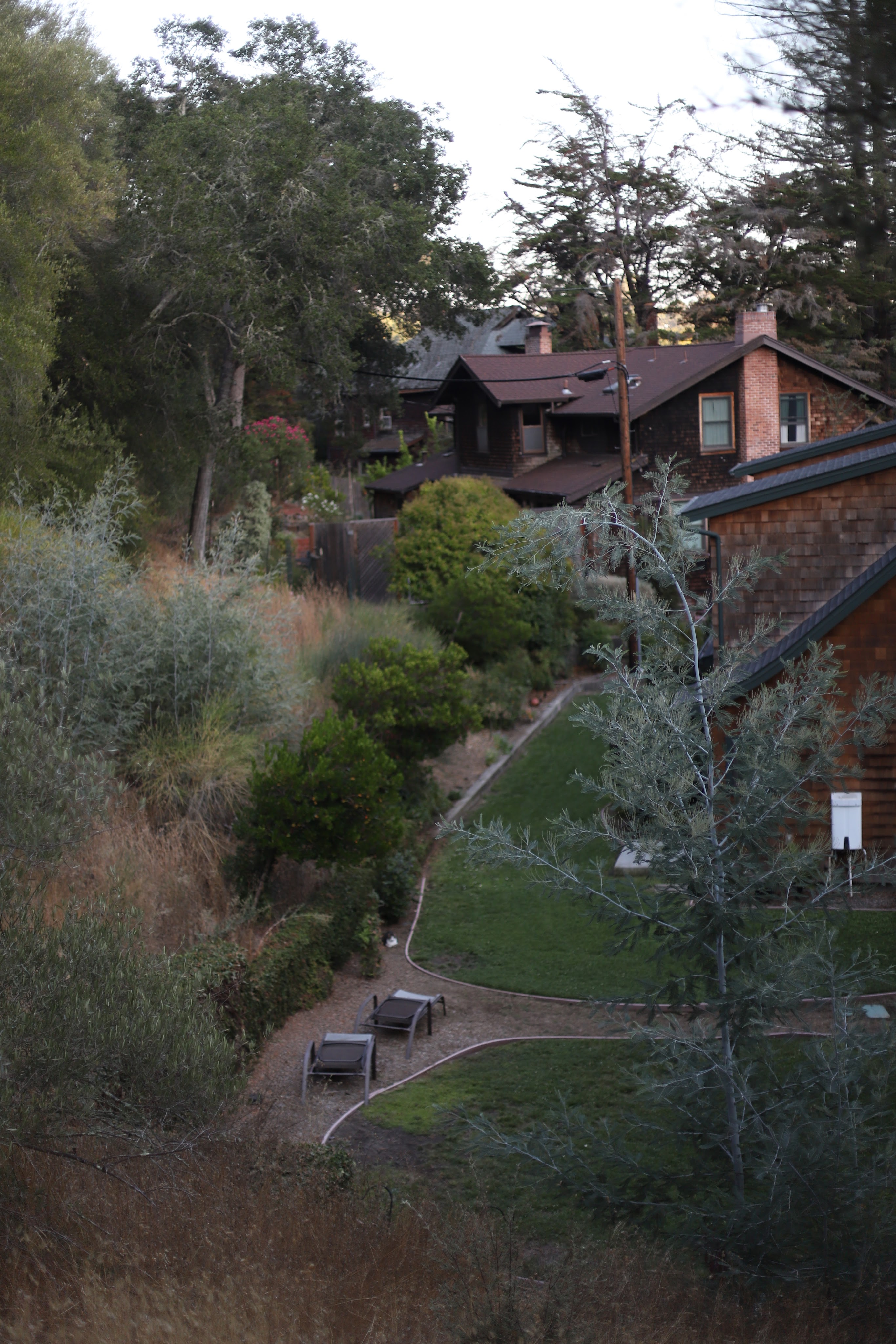
The SFTS campus is so small that I didn’t realize I had already driven into it so quickly. We stayed in a dorm-like setting, and I got a whole room to myself. For the first session, one of our pastors shared this beautiful poem from the late Rachel Held Evans:
They said that if I questioned a 6,000-year-old earth, I would question whether other parts of Scripture should be read scientifically and historically.
They were right. I did.
They said that if I entertained the hope that those without access to the gospel might still be loved and saved by God, I would fall prey to the dangerous idea that God loves everyone, that there is nothing God won’t do to reconcile all things to Himself.
They were right. I have.
They said that if I looked for Jesus beyond the party line, I could end up voting for liberals.
They were right. I do (sometimes).
They said that if I listened to my gay and lesbian neighbors, if I made room for them in my church and in my life, I could let grace get out of hand.
They were right. It has.
They told me that this slippery slope would lead me away from God, that it would bring a swift end to my faith journey, that I’d be lost forever.
But with that one, they were wrong.
Yes, the slippery slope brought doubts. Yes, the slippery slope brought change. Yes, the slippery slope brought danger and risk and unknowns. I am indeed more exposed to the elements out here, and at times it is hard to find my footing.
But when I decided I wanted to follow Jesus as myself, with both my head and heart intact, the slippery slope was the only place I could find him, the only place I could engage my faith honestly.
So down I went.
It was easier before, when the path was wide and straight.
But, truth be told, I was faking it. I was pretending that things that didn’t make sense made sense, that things that didn’t feel right felt right. To others, I appeared confident and in control, but faith felt as far away as friend who has grown distant and cold.
Now, every day is a risk.
Now, I have no choice but to cling to faith and hope and love for dear life.
Now, I have to keep a very close eye on Jesus, as he leads me through deep valleys and precarious peaks.
But the view is better, and, for the first time in a long time, I am fully engaged in my faith.
I am alive.
I am dependent.
I am following Jesus as me—heart and head intact.
And they were right. All it took was a question or two to bring me here.
– Rachel Held Evans, They Were Right (And Wrong) About the Slippery Slope
I really appreciated hearing this poem. There has always been a lot of cognitive dissonance between what I was experiencing in the world along with the questions I had and what was being discussed in evangelical sermons and circles. After all that I have been learning about pain, emotions, suffering, and evil – and I know I have a lot more to learn – I am now at a point in my faith where if the gospel is not good news for everyone, then it’s not good news for anyone. I am also at a point in my faith where I believe God won’t show wrath at people who have been too gracious or compassionate. I would argue He knows when people are being passive and selfishly tolerant, but as God, He knows when we are extending grace and compassion flowing from Him.
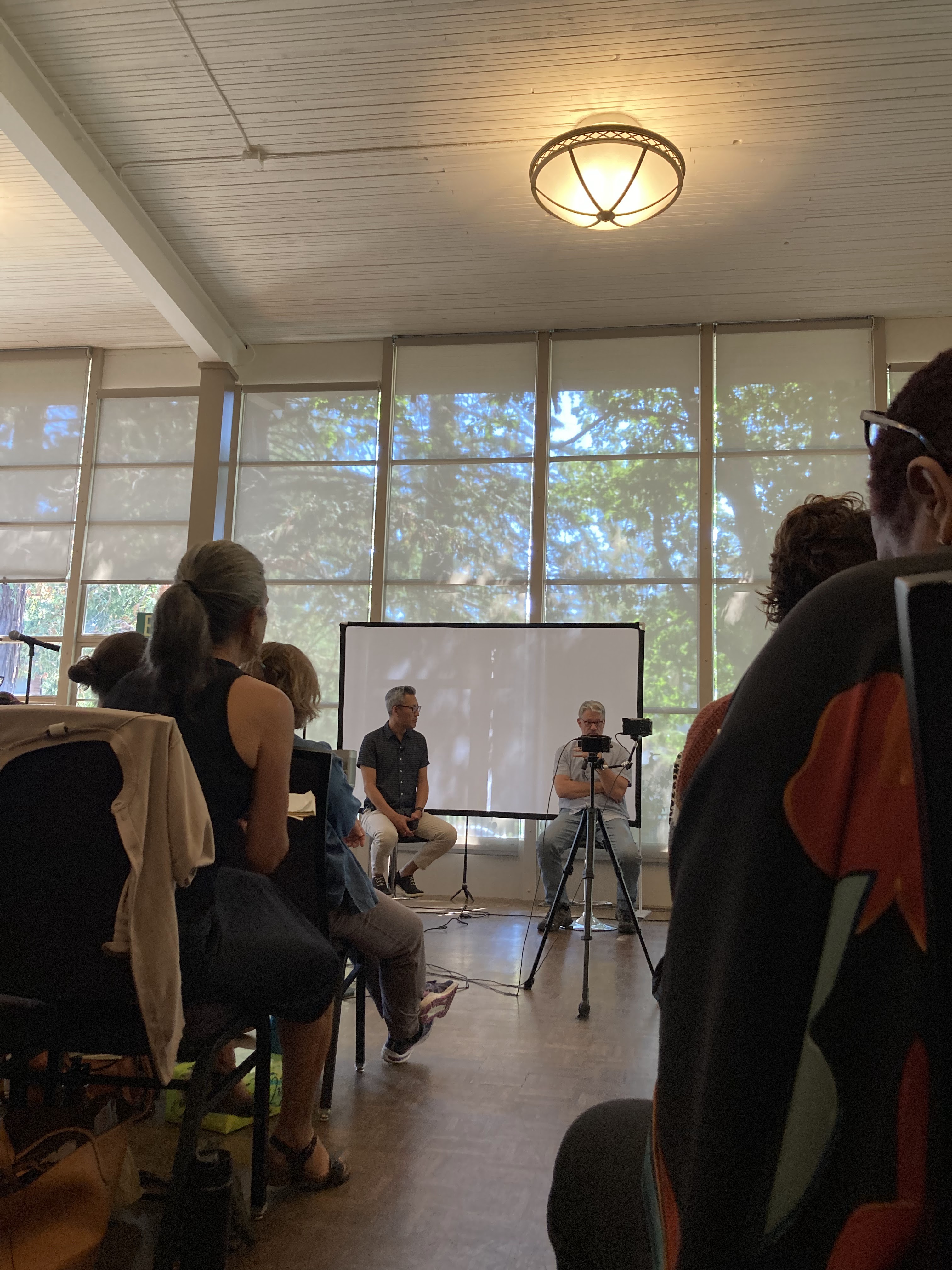
Next, Pete Enns’ gave his first topic where the topic was “The Messiness of Scripture: Why is Reading the Bible So Hard?”. I think his big two points on that is that because (1) it is intentionally multivocal and (2) it spans across various time periods while we’re still trying to have it apply to today. Because of the Bible’s intentionally multivocal nature, it is not going to work well as a manual book, or a book that “tells us what to do”. He went on to share many examples in scripture that contradict each other on rules and what God thought of certain people, such as God’s differing views of the Ninevites in Jonah vs. Nahum, and various rules of slavery – such as only certain people being slaves but also nobody being slaves throughout the early books of the Old Testament. I have already been on the journey of questioning the Bible’s historical accuracy for a while, so it was affirming to hear Pete bring up many contradicting points to point out that the Bible was not meant to be a history book.
Something else that I have been only scratching the surface of, and that I don’t really have the capacity to do more research on right now, is something that Pete talked about where he said that there is no “God of the Old Testament”. However, there are interpretations of God being portrayed in different ways by various writers over hundreds of years. As I said earlier, the historical accuracy of the Bible is not something that is really at stake for me at this point in my faith to believe in Jesus.
Pete continued to share that the messiness of the Bible is not a problem, but it becomes a problem if we try to gain certainty from it. The scriptures have always meant to be dialogued with, almost all of it is wisdom literature, and definitely all of it is meditation literature. Consequently, Pete shared that all theology has an adjective, there is no “normal” theology, as we all enter reading the Bible with our own lens, whether we like to admit it or not. I think the lens we are most blind to as 21st century Christians is our modern, post-Enlightenment, and post-reformation lens when reading scriptures.
The end of Day 1 ended with a Q&A session, and someone asked a really good question about how to have a dialogical way of approaching the Bible with children. Pete basically shared that modeling uncertainty and honesty is usually the best way (which, as someone with a small background in child development, I agree with), and to always honor the child’s instinctual curiosity and let that guide the conversation – not shutting them down. God can handle the curiosity even if we feel like we can’t or we shouldn’t.
My last notes for this day was Pete sharing how for the Jews, the Bible is a problem to be solved. For Christians, the Bible is a message to be proclaimed, which is why uncertainty, nuance, and lack of mystery are things that the western, evangelical church does not know how to deal with or sit with.

Day 2:
One of our pastors started the day with us asking the following question to ourselves: “What is my relationship with the scriptures?” In the past, from when I first started attending church to about 2019, the scriptures were honestly a boring rule book for me. From 2019-2022, I started becoming very interested in learning about the scriptures, and mostly they were a source of great comfort for me. Since then, the scriptures still do give me comfort, but I am at a point where I just want to know what the writers are trying to talk about (which I realize, I may never know). But I suppose I have, in a way, committed myself to doing the work of excavating what the Bible was meant to do – to point to the Incarnate and resurrected God, but not be God. The follow up question was: “What do you hope your relationship with the scriptures will be like five years from now?” Truthfully, I still hope that I can be learning about the scriptures in the way that I am now, as well as it still being a source of comfort for me.
Pete Enns started the first session off this day, with him re-sharing the idea that for the Jews, the Bible is a problem to be solved and for the Christians, it is a message to be proclaimed. The idea that the Bible is a problem to be solved is why for Jews, faith IS the struggle to figure it out, which is why it is a lifelong journey (this also made me think of the story of Jacob wrestling with Jesus).
Pete then shared this story of a man looking to speak with Mother Teresa to pray for him, because he wanted clarity. However, she said no, because clarity is the last thing he needs to let go of. The man then shared that that was not fair, because it seems like Mother Teresa has a lot of clarity. Mother Teresa said that she had never had clarity a day in her life, but she does have trust, so she will pray that the man can trust God. I really liked this story because I am at a point in my faith where I believe God invites, not calls (Jesus seeking out his disciples is an EXCELLENT example of this), and this kind of invitation requires a lot more trust in the relationship with Jesus. Plus in terms of human relationships, too – romantic ones for example – while there are certain and clear markers of if we should or should not be with someone, neither person knows if things might not work out, or if one might betray the other in whatever capacity. But because of what we do know through our relationship with them, after some time, we can learn to trust.
At the end of this session, someone else asked another question about teaching the Bible to children, to which Pete responded that the Bible is fundamentally an adult’s book (Song of Songs, anyone? Plus all the genocide and gang rape, too). He recommended people start with the life and teachings of Jesus, and then later look at other stories of the Bible to see where Jesus might be in them (simply put).
The next speaker was a New Testament Scholar, Jennifer Kaalund, who spoke on God’s gifts and abundance. The main things I really appreciated from her was how all scriptural translation is interpretation, and she spoke about all this from just about 15-16 verses in the book of John. She also shared some of her own experiences as a woman of color reading scripture, and it made me think of Kat Armas’ book Abuelita Faith. I think one of the best reminders I got from Kaalund’s talk was that we really need community to understand the relationship between the scriptures and humanity well, and consequently understand well God’s relationship to humanity.

After Jennifer was a current professor at SFTS, Wendy Farley, who spoke on beauty. Unfortunately, I was in the bathroom during her first few minutes of talking, but as an enneagram 4, I really appreciated how she talked about beauty, but also did not negate suffering and evil in the world. I found a book of hers on the audiobook platform that I am subscribed to, so I will try and look more into her work there as I love thinking about beauty. I think this is the most I’ve heard about beauty since I last read Parker J Palmer’s or John O’Donohue’s work. One thing I want to look into more was a quote that Wendy shared, in which Rome did not convert to Christianity, but Christianity converted to Rome.
Pete Enns ended our last session on Saturday, and one quote I appreciated that he shared from Augustin was “Whatever promotes love is the best interpretation”. Granted, this can definitely lead to debates about what love is exactly, to which I say Paul’s definition of it in 1 Corinthians has always been my favorite. Pete also shared something I have been exploring for a long time – that Jesus is what God has always been like – so this is why I wrestle with the old testament scriptures as I do. Pete then went on to talk about what makes the Bible and Jesus divine with some really interest arguments, and then there was our last Q&A session with him.
Day 3
On our last day, one of the pastors lead the final session. Since it was a Sunday morning, there was also worship and communion. He went over three passages in the Bible – one in Genesis, one in Jonah, and one in Ephesians – and challenged us to think beyond those stories into the greater biblical narrative than what might be traditionally preached.

One of my favorite parts of this message/talk preached was when we went over a handful of verses in Genesis 4. Essentially, the question asked is even with what Cain did to Abel, why did God still bless Cain? Cain had a mark of protection and had a prosperous family after murdering his brother. The traditional sermon message is usually something along the lines of ‘be like Abel, don’t be like Cain’… but God blessed Cain? And truthfully, God blessed and continues to bless people that seem to be doing horrible things. So this message from yesterday is not to do hurtful things, but to share that if we are like Cain, since all of us have some ‘Cain’ in us – even so, we are not far from God’s love. God’s love extends to Cain who murdered, David who murdered/raped/committed adultery, to Rahab who sold herself, to Paul who murdered etc… No matter what we have done, it does not change the reality and fact that we are loved by God.
Some things I want to be looking into more after this weekend:
- I had the chance to have a one-minute conversation with Pete Enns in which I asked him what Jewish teachers he would recommend me looking into. He mentioned two of his professors/mentors/advisors: James Kugel and Jon D Levenson.
- I also had the chance to chat with a Harvard Divinity School alumni about something called the Talmud, which I had never heard of before. He gave me a run down of what it was, and also recommended me to read a book “A Bride for One Night”.
- Someone who had posed a question to Pete Enns asked something really interesting about the Bible canon. I don’t think my notes were accurate about what I wanted to look up, but I know I definitely want to look more into the history of the collecting and decision of the Bible Canon.
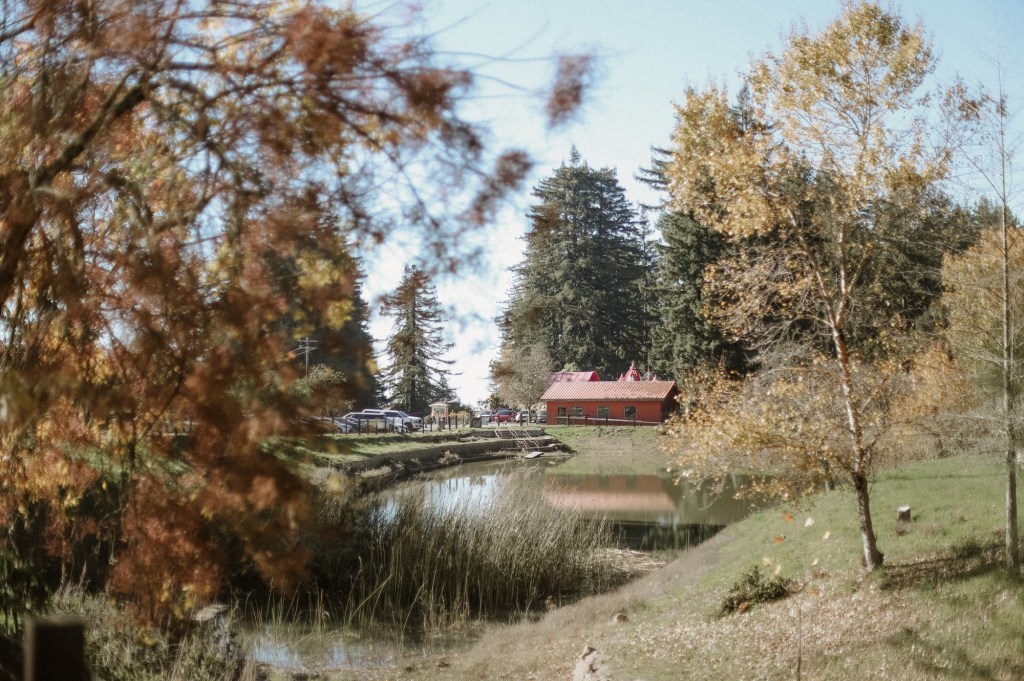
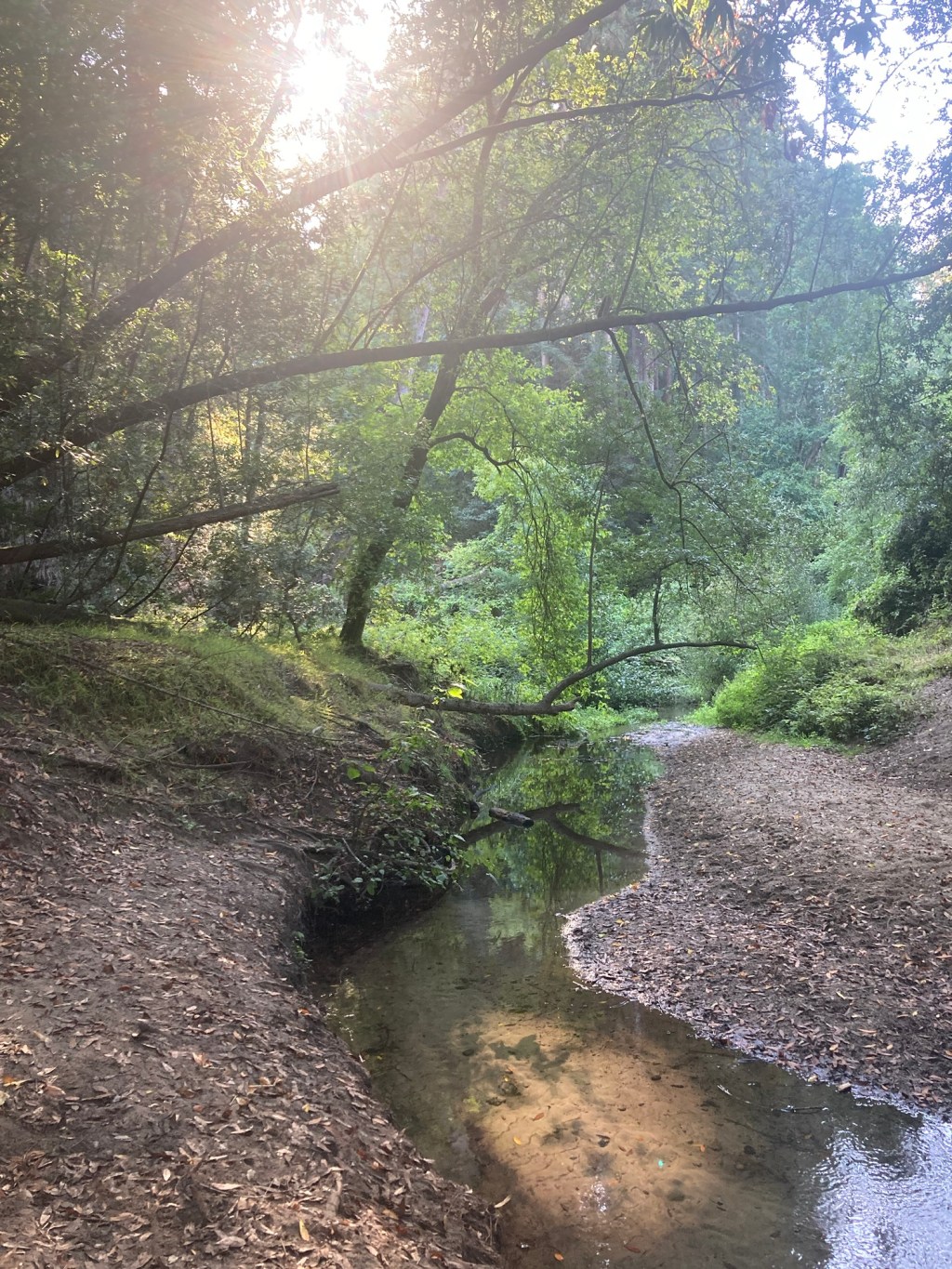
Before I left the area, I heard that there was a lake nearby, so I also visited that lake. It was called “Phoenix Lake”:


Thank you for reading all of this if you did and I also hope you enjoyed the photos of the beautiful campus ! (:





 the heart as it is | courage • grief • beauty
Leave a comment